

Direct quote from the page:
Please note that this site is only about US law; the copyright terms in other countries are different.[2]
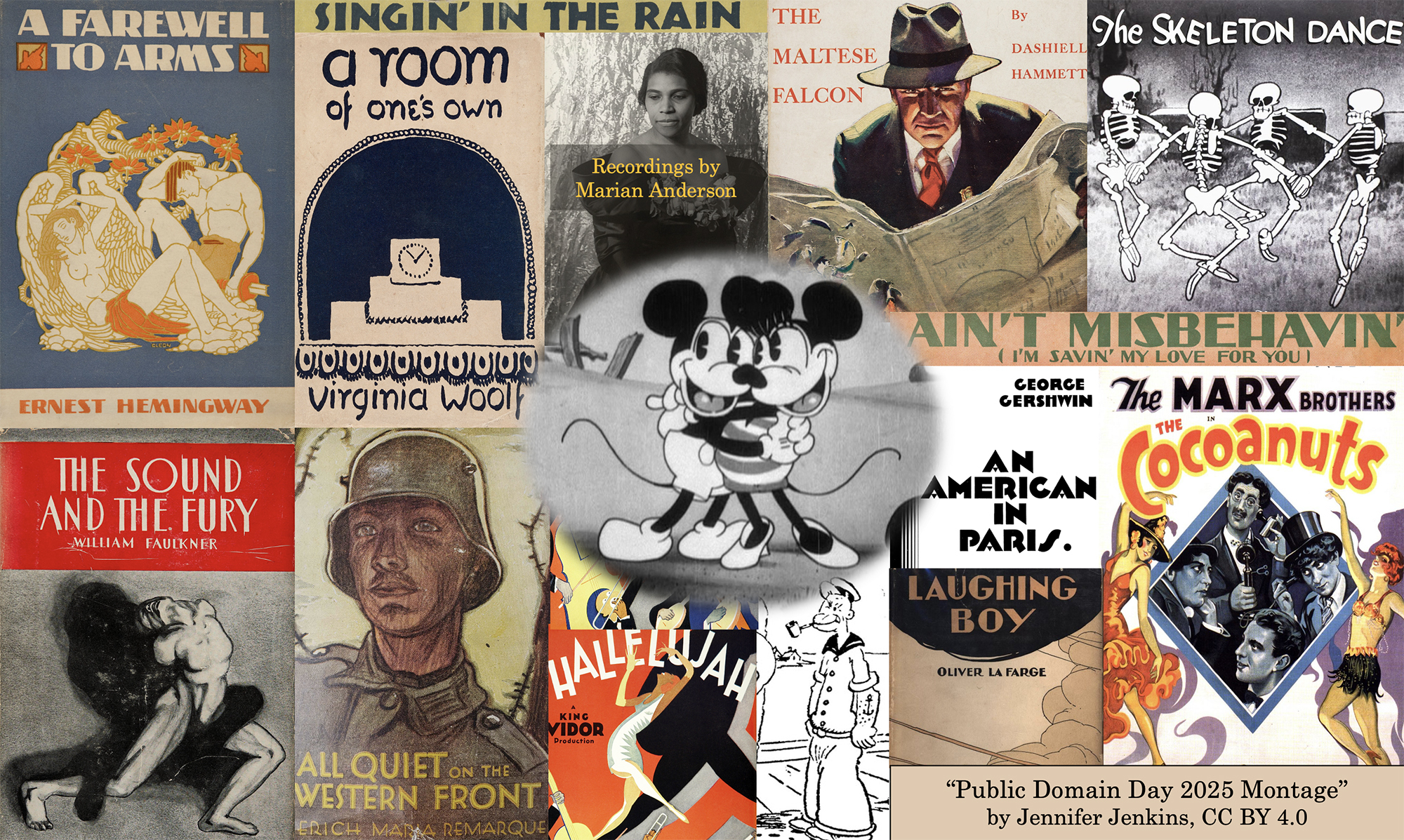
On January 1, 2026, thousands of copyrighted works from 1930 enter the US public domain, along with sound recordings from 1925. They will be free for all to copy, share, and build upon
Yeah, it’s currently Life of Creator + 70 years, which is fucking ridiculous
Has any software ever entered the public domain through copyright expiration? I think software at least 70 years old (125 years for corporate created) when its copyright expires prevents it from being any benefit at all.
Worse, unless you have the source code to that 70 year old software it’s probably even less useful.
Software in general is actually very hard to copyright, as you cannot legally copyright code, the most you’re allowed to do is patent the process the code is doing.
More often the copyright applies to everything else, like the brand, and the UI
No, copyright applies specifically to the code, eulas and copyleft such as GPL rely on that fact. The logic itself can’t be, but the specific implementation can. It’s why clean room reverse engineering is fine, but a tainted decompilation direct from a binary may not be.
Ooh yeah I always forget that