Its scary fighting back. You want allies, and many of them so the odds dont feel so impossible. Its hard not to fall into the thinking that capitalism is the bigger threat, so we should work together against the common enemy. “We’ll figure out which communism is best after the revolution” is what I often hear. Issue is, looking at history, we get backstabbed before we get to see the end of the revolution. In the end though, its hard not to end up trusting those you spend time working with.
Succinctly said. Personally, I think communists will have a better chance of achieving true communism™ by cosying with liberals and democracy, suggesting socialist and universal systems, pensions, healthcare, transport – Systems that most democratic nations already have implemented.
It’s telling that China, the de facto “communist” state, which isn’t exactly Marxist, lacks some of these universal systems, such as healthcare and worker rights and of course, the class disparity.
What I mean is that I don’t think an immediate, instantaneous uprising is absolutely necessary to achieve these concepts.
I think anarchists have more in common with communists, the issue is that the kind of communists that dominate the spaces are Marxist-Leninists who are the problem. I would be much more inclined to trust a council communist or a luxemburgist than I am a liberal or an ML. The reason being that (good) statist communists at least agree with anarchists on needing to abolish private property and capitalism, but disagree overmatters regarding the state. Liberals still believe in both capitalism and the state. I do not see a situation where liberals would ever allow anarchists to exist outwardly. I do not see it with MLs either. But I could see a very small chance of it happening if democratic communists (like council communists and luxemburgists) were the dominant force in statist radical left circles. Unfortunately though they are not. So unfortunately anarchists are pretty isolated for allies.
Do you think anarchism is even possible without an apocalypse? It’s very telling that, throughout history, there’s been no long-lasting anarchist community, unless you consider nomadic towns and villages anarchist.
No, I believe it is possible. The Ukrainian Black Army and CNT-FAI came remarkably close. There are other examples as well, but most relevant is the Zapatistas who have existed since 1994 and still exist today. I think it is simply really fucking hard, and we are still learning what works versus what doesnt. I feel it is telling that anarchists are successful right up until the are betrayed and end up having to fight everyone at once. It tells me it takes everyone teaming up to beat us. It tells me we are a threat, and we are a threat becauss we could win
“At the Cafe” by Errico Malatesta paired with the documentary “Living in Utopia” (available on Zoe Baker’s youtube channel) was what convinced me of its feasibility. But I was also already a Council Communist by then so it wasnt a huge leap for me.
I think one of the strongest arguments about anarchism is how do you ensure a group of armed, violent men does not take over the entire group? How do you avoid it from collapsing?
You know, I’ve been political, and political about the fringes, for a very long time. I remember arguing with anarchists in high school. Ah, nostalgia! And for years and years I argued with anarchists, and I was always frustrated that they seemed to have the core of something good, but kept asserting the strangest things in support of it.
You know what helped me legitimately understand their views?
“Libertarian socialism” is, historically, a synonym for “anarchism”.
Replace that mentally every time you see “anarchism”, and “state” with “authoritarians” whenever anarchists speak, and the whole thing makes much more sense.
I’ve spent literal dozens of hours of my life over the years arguing with anarchists over the singular issue of “How is a state defined”, and got nowhere. I still think they’re wrong, but I accept that most aren’t going to change their views on how to define a state from an internet quarrel.
But if you get around to the fact that, to the eyes of people like us, what they’re advocating for is a much more democratic, much less hierarchical state, which is what their policy proposals for their theoretical community amount to, it shakes out to a much more sustainable model. When I’m sitting here defining state as “Decision-making bodies’ monopoly on communal coercion” and they’re sitting there defining it as “Unjustified hierarchy”, their argument of “Get rid of the state” is going to sound insane to my ears, but ‘translated’, so to speak, is less objectionable.
Now, one of the core issues that I still have is that I’m uncertain about the long-term viability of highly-mobile military conflict with a powerful organized state, but that has much more to do with questions of scale and OODA loops than an inability to effectively respond to violence conceptually. As far as internal stability or fending off groups of similar size (or even somewhat larger size, considering that modern warfare in particular privileges the defender), I think the historical performance of libertarian socialist militias shows that it’s far from an insurmountable task.
We do it by empowering the communities itself, and teaching them to liberate themselves. Its not perfect, but afterall no solution is. You still get cases like the atrocities individuals of the Black Army committed against the Mennonites, and the ones committed by the CNT-FAI against nuns and priests. They are horrible actions, and while I still support and admire the groups I still condemn those actions and wish to learn from and prevent them in the future. And not that I am excusing it with whataboutism (just trying to avoid anybsort of singling out of anarchists about this), but this is not a unique problem with anarchists. Every group is guilty of doing similar stuff, and I feel anarchists are better about reducing, resisting, and condeming those actions than other groups. I think part of it is simply the culture and beliefs of anarchists that helps prevent these kinds of acts, but also like I said the community empowerment that comes with anarchism. I think it is also important to build a culture of accountability within anarchist groups, and to develop structures that reinforce that. What all of that looks like is stuff we are still figuring out and learnjng from, but we have progress made in that regard. “What about the rapists” is a good book discussing ideas on community safety and justice without cops, which some could be extrapolated to revolutionary militias

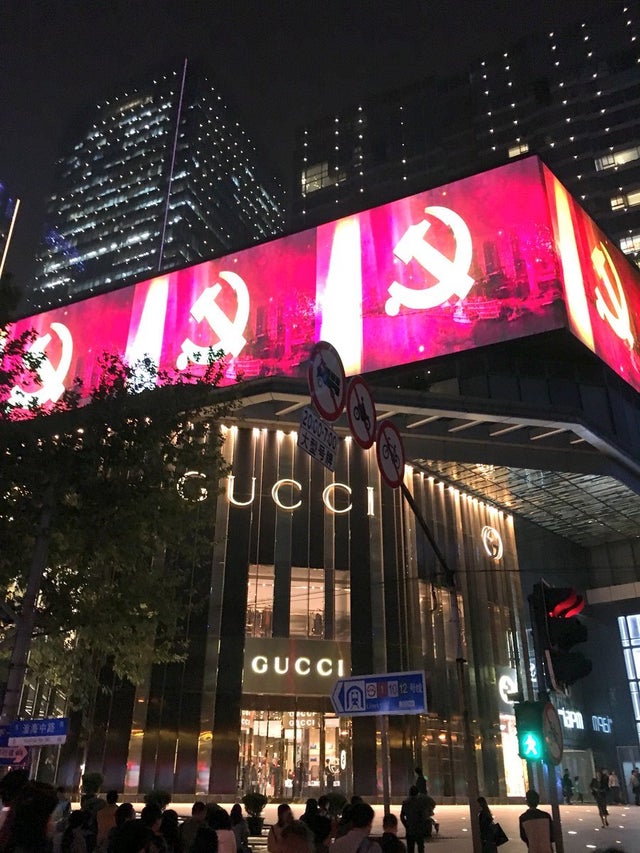

Its scary fighting back. You want allies, and many of them so the odds dont feel so impossible. Its hard not to fall into the thinking that capitalism is the bigger threat, so we should work together against the common enemy. “We’ll figure out which communism is best after the revolution” is what I often hear. Issue is, looking at history, we get backstabbed before we get to see the end of the revolution. In the end though, its hard not to end up trusting those you spend time working with.
Succinctly said. Personally, I think communists will have a better chance of achieving true communism™ by cosying with liberals and democracy, suggesting socialist and universal systems, pensions, healthcare, transport – Systems that most democratic nations already have implemented.
It’s telling that China, the de facto “communist” state, which isn’t exactly Marxist, lacks some of these universal systems, such as healthcare and worker rights and of course, the class disparity.
What I mean is that I don’t think an immediate, instantaneous uprising is absolutely necessary to achieve these concepts.
I think anarchists have more in common with communists, the issue is that the kind of communists that dominate the spaces are Marxist-Leninists who are the problem. I would be much more inclined to trust a council communist or a luxemburgist than I am a liberal or an ML. The reason being that (good) statist communists at least agree with anarchists on needing to abolish private property and capitalism, but disagree overmatters regarding the state. Liberals still believe in both capitalism and the state. I do not see a situation where liberals would ever allow anarchists to exist outwardly. I do not see it with MLs either. But I could see a very small chance of it happening if democratic communists (like council communists and luxemburgists) were the dominant force in statist radical left circles. Unfortunately though they are not. So unfortunately anarchists are pretty isolated for allies.
Do you think anarchism is even possible without an apocalypse? It’s very telling that, throughout history, there’s been no long-lasting anarchist community, unless you consider nomadic towns and villages anarchist.
No, I believe it is possible. The Ukrainian Black Army and CNT-FAI came remarkably close. There are other examples as well, but most relevant is the Zapatistas who have existed since 1994 and still exist today. I think it is simply really fucking hard, and we are still learning what works versus what doesnt. I feel it is telling that anarchists are successful right up until the are betrayed and end up having to fight everyone at once. It tells me it takes everyone teaming up to beat us. It tells me we are a threat, and we are a threat becauss we could win
Well, I’m certainly not opposed to anarchism, though I do have some worries about its feasibility
“At the Cafe” by Errico Malatesta paired with the documentary “Living in Utopia” (available on Zoe Baker’s youtube channel) was what convinced me of its feasibility. But I was also already a Council Communist by then so it wasnt a huge leap for me.
I think one of the strongest arguments about anarchism is how do you ensure a group of armed, violent men does not take over the entire group? How do you avoid it from collapsing?
You know, I’ve been political, and political about the fringes, for a very long time. I remember arguing with anarchists in high school. Ah, nostalgia! And for years and years I argued with anarchists, and I was always frustrated that they seemed to have the core of something good, but kept asserting the strangest things in support of it.
You know what helped me legitimately understand their views?
“Libertarian socialism” is, historically, a synonym for “anarchism”.
Replace that mentally every time you see “anarchism”, and “state” with “authoritarians” whenever anarchists speak, and the whole thing makes much more sense.
I’ve spent literal dozens of hours of my life over the years arguing with anarchists over the singular issue of “How is a state defined”, and got nowhere. I still think they’re wrong, but I accept that most aren’t going to change their views on how to define a state from an internet quarrel.
But if you get around to the fact that, to the eyes of people like us, what they’re advocating for is a much more democratic, much less hierarchical state, which is what their policy proposals for their theoretical community amount to, it shakes out to a much more sustainable model. When I’m sitting here defining state as “Decision-making bodies’ monopoly on communal coercion” and they’re sitting there defining it as “Unjustified hierarchy”, their argument of “Get rid of the state” is going to sound insane to my ears, but ‘translated’, so to speak, is less objectionable.
Now, one of the core issues that I still have is that I’m uncertain about the long-term viability of highly-mobile military conflict with a powerful organized state, but that has much more to do with questions of scale and OODA loops than an inability to effectively respond to violence conceptually. As far as internal stability or fending off groups of similar size (or even somewhat larger size, considering that modern warfare in particular privileges the defender), I think the historical performance of libertarian socialist militias shows that it’s far from an insurmountable task.
We do it by empowering the communities itself, and teaching them to liberate themselves. Its not perfect, but afterall no solution is. You still get cases like the atrocities individuals of the Black Army committed against the Mennonites, and the ones committed by the CNT-FAI against nuns and priests. They are horrible actions, and while I still support and admire the groups I still condemn those actions and wish to learn from and prevent them in the future. And not that I am excusing it with whataboutism (just trying to avoid anybsort of singling out of anarchists about this), but this is not a unique problem with anarchists. Every group is guilty of doing similar stuff, and I feel anarchists are better about reducing, resisting, and condeming those actions than other groups. I think part of it is simply the culture and beliefs of anarchists that helps prevent these kinds of acts, but also like I said the community empowerment that comes with anarchism. I think it is also important to build a culture of accountability within anarchist groups, and to develop structures that reinforce that. What all of that looks like is stuff we are still figuring out and learnjng from, but we have progress made in that regard. “What about the rapists” is a good book discussing ideas on community safety and justice without cops, which some could be extrapolated to revolutionary militias
Removed by mod
China is third world?
Removed by mod