

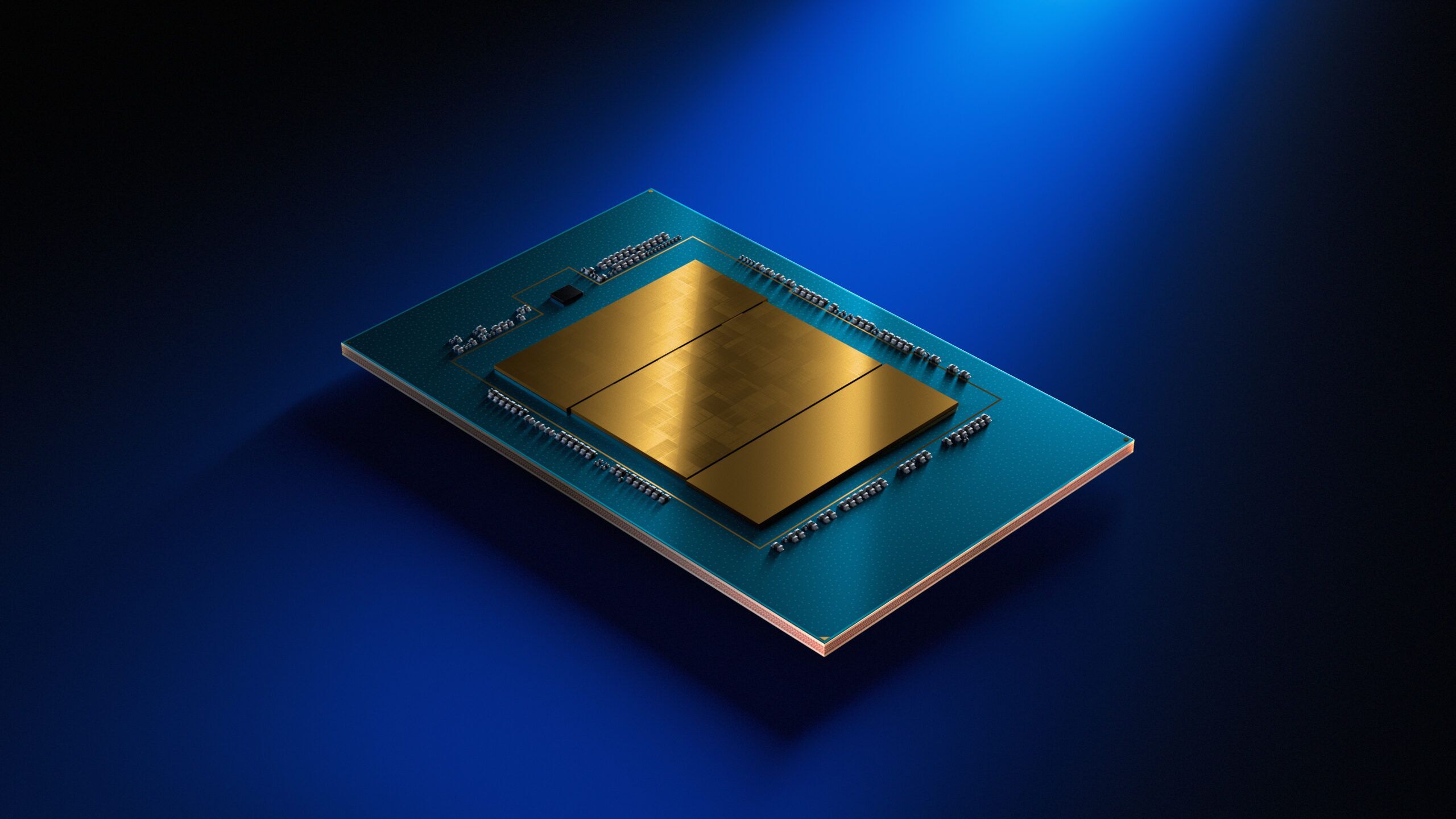
China has begun mass production of next-generation processors based on molybdenum disulfide instead of traditional silicon semiconductors[1]. According to Professor Li Hongge’s team at Beihang University, these chips merge binary and stochastic logic to achieve better fault tolerance and power efficiency for applications like touch displays and flight systems[2].
The breakthrough came through developing a Hybrid Stochastic Number (HSN) system that combines traditional binary with probability-based numbers[2:1]. This innovation helps overcome two major challenges in chip technology - the power wall from binary systems’ high energy consumption, and the architecture wall that makes new non-silicon chips difficult to integrate with conventional systems[2:2].
https://en.wikipedia.org/wiki/Abundance_of_elements_in_Earth's_crust
silicon – 28.2% of earth’s crust; 7,200,000 tonnes extracted per year
bismuth – 0.00000085% of earth’s crust; 10,200 tonnes extracted per year
doesn’t it say “molybdenum disulfide” in the text?
molybdenum - 1.2 ppm (0.00012%); 227,000 tonnes extracted per year
The techradar text says bismuth; the azernews.az text says molybdenum
Industrial diamonds made with almost everything which contains Carbon.
This is the first thing that came to mind when reading the article. Replacing silicon with bismuth sounds like a downside.
And yet Pepto Bismol is found in huge quantities on every drugstore shelf in the world. How will they ever find enough?? 😂
Silicon is used for way more than just chips though, I’d be surprised if it’s more than a percent