Nickel iron is typically used for off grid solar energy storage. Weight doesn’t matter at all since the battery won’t be moved. The most important thing is lifetime. Traditional nickel iron batteries last for decades and can be refurbished.
Most li-ions land around 120-160 W-h /kg. So much poorer, but much cheaper on density
The specific power (power density) is kind of crazy though. I think most li-ions top out around 10kW/kg, any more and they will overheat and boil their electrolyte which usually leads to fire.


I’m not familiar with this stuff. How does that compare to popular lithium batteries?
Looks like it’s more like NiMH than LiPo, but higher power than NiMH (which I guess lines up with their claims of charging super fast).
It’s more like NiCd but better power and more cycles (and no memory effect).
Poorly. According to a random Wikipedia query, commodity lithium ion is ~270 Wh per kilogram. So this is around 20% of that, according to the above.
“Excellent” may be in comparison to other byzantine specialty battery chemistries, but lithium ion remains resolutely enthroned.
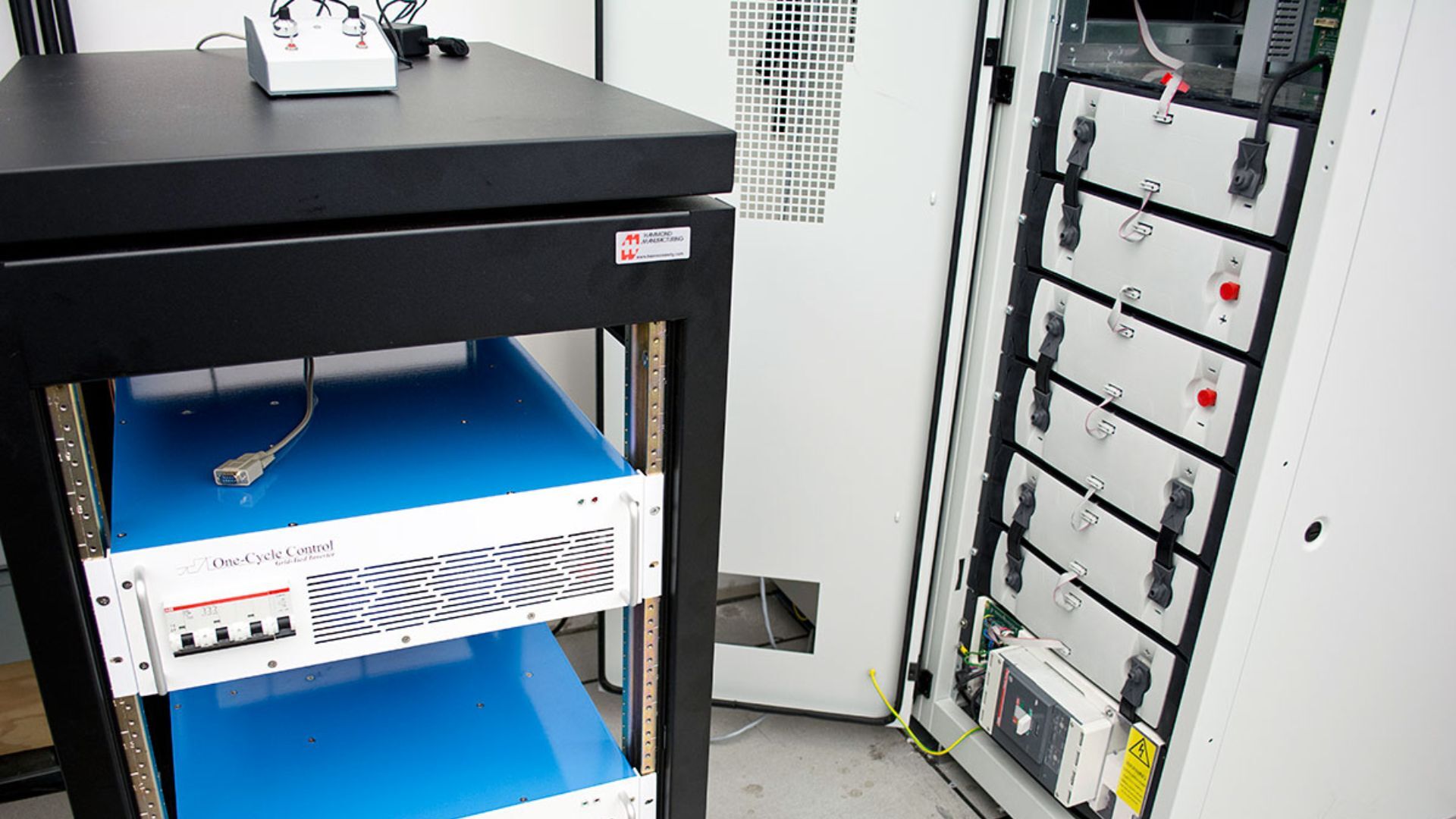
It might be cool for storing solar energy for your home, though. We don’t need to always carry the battery in every use case
Nickel iron is typically used for off grid solar energy storage. Weight doesn’t matter at all since the battery won’t be moved. The most important thing is lifetime. Traditional nickel iron batteries last for decades and can be refurbished.
Home storage generally uses LFP which is around 170 WH/kg. 270 is NMC which is used in stuff like mobile phones where the trade offs are different.
Quite enough energy density and very good power density for stationary energy storage, with zero fire danger. Reasonably cheap, too.
Most li-ions land around 120-160 W-h /kg. So much poorer, but much cheaper on density
The specific power (power density) is kind of crazy though. I think most li-ions top out around 10kW/kg, any more and they will overheat and boil their electrolyte which usually leads to fire.
I looked around and found that lithium ion batteries will range from 100-270 Wh/kg and up to 10 kW/kg.
So these particular batteries are sort of an improvement, less energy by weight but better power if I understand correctly. Definitely not an expert.