My videos aren't sponsored by anyone but you. Monthly sustainers get access to my Discord/Matrix space, and are what keeps the lights on around here. Thank you for your consideration! https://patre...
I dislike her pronunciation of GrapheneOS really emphasizing the “ene” part
For anyone not wanting to be stuck buying a Pixel, new or used (still kind of pricey), look into LineageOS /e/, or CalyxOS (though CalyxOS is paused for an interal audit or something)
What about other data being sent over your carrier network outside of just Google? You’re better off buying a plan for a mobile hotspot so it limits data that IDs you with your IMSI and IMEI info. Carriers otherwise still monetize your data, even though Google isn’t getting it.
My next phone will be whatever I want that’ll run LineageOS (sure, no “Titan chip”) but will run F-Droid store, and only run on a hotspot I’ll have with me (for work, goes in my work bag), anywhere else can sit in my car or pocket, etc. It’ll help as I use private/FOSS apps, randomized MAC for WiFi, VPN services, etc. Hushed or done 2nd phone nine for WiFi calling, etc
I also have been social media free for over a decade now. No Amazon, no streaming services, and self-host anything I can
(though CalyxOS is paused for an interal audit or something)
More like “Nick Merrill (the guy who fought NSL letters in court and started the project) and the lead developer departed without a single word and took the project’s signing keys with them”. You draw your own conclusions, but for me (a long-time CalyxOS user) those were huge red flags and caused me to settle on iodéOS for my new home.
I had Calyxos and switched away from it also.
Really like the Grapheneos.
Google pixels seem to be good hardware. I’m going to buy an extra 7,8,or 9 pixel. Not sure if newer pixels will stay as useable.
I installed GOS on an old Pixel 4a I had lying around. It seemed OK so far, but I didn’t do a lot of testing. Are you running it with sandboxed play services? How well does that work as compared to MicroG under CalyxOS?
Not using any play services or g-mail.
I use busybusy for work, it says I need the play service but it works without it. My credit Union app works fine.
I never got into using my phone to pay, so haven’t tried that.
I don’t need payments to work, I’ve never used Gmail, and most of my apps are FOSS ones off FDroid. But banking apps must work, and so do push notifications. The latter are my biggest issue: afaik, they run through GCM (part of Play Services), and you won’t get any unless an app has implemented an alternative listener (Signal does), which comes with more battery power draw. (How) do push notifications work for you without microG and Play Services?
Wow, thanks for the detailed answer! I’ve heard of ntfy, even considered running it in order to get notifications from my server. I guess you’ve given me new incentive to look into it more!
Yeah, I see that. I checked out the list of supported devices, I was hoping for newer, but I figure if it’s near on Lineage, maybe the newer OnePlus devices would work too. I just cant get behind $500+on used Pixels. A 12R or 13R would be preferred <$400
I used to like the Pixel a line, which clocks in at around 370 EUR / 435 USD for a new 9a where I live. My next one’s likely going to be a FairPhone though, because fuck Google (and it’s a European manufacturer).
I tend to buy <$200usd phones and use for 4 years (so: ~$50/year). I’m on a Pixel6A now, and plan to upgrade to an 8A at EOL in summer 2027. An unlocked 8A in “good condition” is $255 now on Swappa, and would get updates until summer 2031, so that meets the $50/year metric.
I’ll be interested in GrapheneOS’s new partner, but I suspect only their brand new phone will work, so… I’ll consider it in 2031 :)


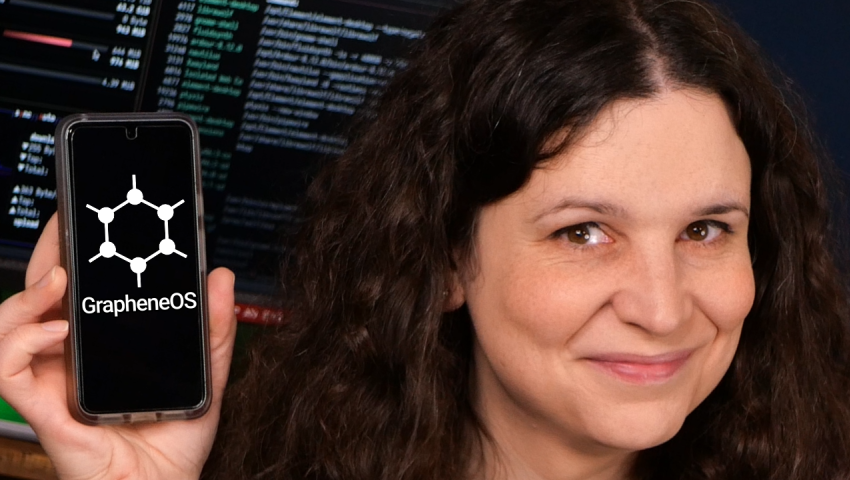
Ok, a few things :
My next phone will be whatever I want that’ll run LineageOS (sure, no “Titan chip”) but will run F-Droid store, and only run on a hotspot I’ll have with me (for work, goes in my work bag), anywhere else can sit in my car or pocket, etc. It’ll help as I use private/FOSS apps, randomized MAC for WiFi, VPN services, etc. Hushed or done 2nd phone nine for WiFi calling, etc
I also have been social media free for over a decade now. No Amazon, no streaming services, and self-host anything I can
https://youtu.be/5HiLxVhJC2k
Technically you’re posting to social media right here, but I think we all got what you meant.
More like “Nick Merrill (the guy who fought NSL letters in court and started the project) and the lead developer departed without a single word and took the project’s signing keys with them”. You draw your own conclusions, but for me (a long-time CalyxOS user) those were huge red flags and caused me to settle on iodéOS for my new home.
I had Calyxos and switched away from it also.
Really like the Grapheneos. Google pixels seem to be good hardware. I’m going to buy an extra 7,8,or 9 pixel. Not sure if newer pixels will stay as useable.
I installed GOS on an old Pixel 4a I had lying around. It seemed OK so far, but I didn’t do a lot of testing. Are you running it with sandboxed play services? How well does that work as compared to MicroG under CalyxOS?
Not using any play services or g-mail. I use busybusy for work, it says I need the play service but it works without it. My credit Union app works fine. I never got into using my phone to pay, so haven’t tried that.
I don’t need payments to work, I’ve never used Gmail, and most of my apps are FOSS ones off FDroid. But banking apps must work, and so do push notifications. The latter are my biggest issue: afaik, they run through GCM (part of Play Services), and you won’t get any unless an app has implemented an alternative listener (Signal does), which comes with more battery power draw. (How) do push notifications work for you without microG and Play Services?
Removed by mod
Wow, thanks for the detailed answer! I’ve heard of ntfy, even considered running it in order to get notifications from my server. I guess you’ve given me new incentive to look into it more!
I dislike notifications so have them pretty much turned off.
Oil I hadn’t heard of IodéOS looking into it now as I planned on Lineage for better device support.
Thank you!!
To be fair, it’s built on top of LineageOS (credit where credit is due).
Yeah, I see that. I checked out the list of supported devices, I was hoping for newer, but I figure if it’s near on Lineage, maybe the newer OnePlus devices would work too. I just cant get behind $500+on used Pixels. A 12R or 13R would be preferred <$400
I used to like the Pixel a line, which clocks in at around 370 EUR / 435 USD for a new 9a where I live. My next one’s likely going to be a FairPhone though, because fuck Google (and it’s a European manufacturer).
I like the fair phone, or nothing phones, but I like the bigger screen and IR blaster that OnePlus offers.
I tend to buy <$200usd phones and use for 4 years (so: ~$50/year). I’m on a Pixel6A now, and plan to upgrade to an 8A at EOL in summer 2027. An unlocked 8A in “good condition” is $255 now on Swappa, and would get updates until summer 2031, so that meets the $50/year metric.
I’ll be interested in GrapheneOS’s new partner, but I suspect only their brand new phone will work, so… I’ll consider it in 2031 :)