

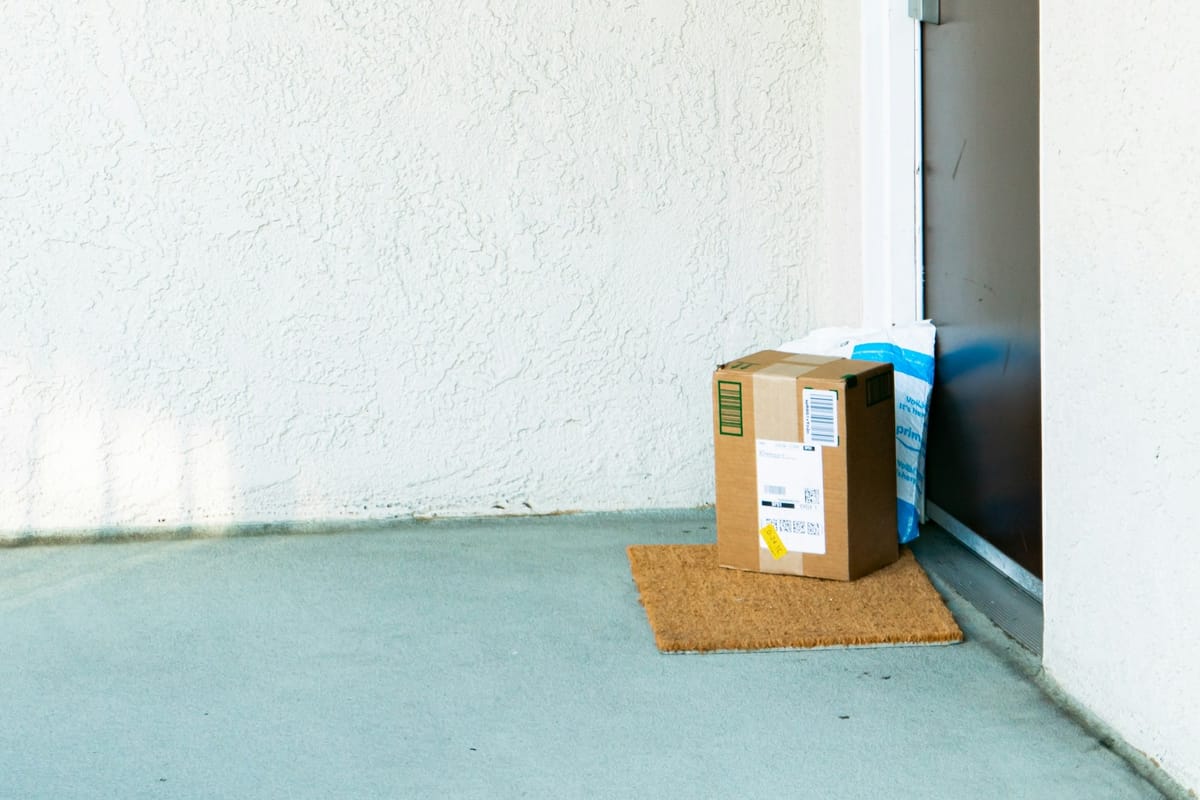
Amazon is telling people who use its wishlists feature to switch to post office boxes or non-residential delivery addresses if they want to ensure their home addresses remain private, as part of a change in how it processes gifts bought from third-party sellers. The change is especially concerning to many sex workers, influencers and public figures who use Amazon wishlists to receive gifts from fans and clients.
First spotted by adult content creators raising the alarm on social media, the changes open anyone who uses wishlists publicly to increased privacy risk unless they change how they receive packages.
In an email sent to list holders, Amazon said beginning March 25, it will reveal users’ shipping addresses to third-party sellers. The platform added that gift purchasers might end up seeing your address as part of this process, too.
Well, yeah. If it’s a third party seller that means Amazon isn’t shipping you the product so they have to know your address.
Amazon handles fulfillment for tens or thousands of third party sellers.
Unless the item you’re buying says “sold by Amazon” under the Buy buttons, it’s coming from a third party. Prime shipping only means it is coming from the Amazon warehouse, not that Amazon is selling it.
It’s been a major issue for years for commonly counterfeited brands, because apparently Amazon’s warehouses don’t differentiate and all those items are dumped in the same bins, so real products get mixed with fakes and third party sellers get hit with returns, reviews, and even bans for fake products. Apparently Amazon puts the same generic item barcode on all of the items, and once they’re mixed into in the bins they no longer can track individual products back to the original seller.
This really doesn’t make sense.
All extra processes in logistics need to increase accountability and not reduce it.
And simply adding a UUID to a QR is hardly an expensive task.
This outcome is pretty much their intention.
It makes sense if they don’t care. It works well enough for their marketplace and that’s as far as they decided to go with it. Amazon isn’t exactly known for accountability.
As I said
Their comment was supplementary, not argumentative.
Shouldn’t a wishlist mean that it isn’t shipped at all though? Why would wishlisting expose your home address?
Because people can buy stuff off your wishlist and have it shipped to you. In its current form, it doesn’t expose your address to the buyer, but apparently the change may do that.
I understood it to mean that wishlists currently only offer things shipped by Amazon, so they don’t share your address with other sellers, but they’re going to change wishlists so they offer things from third party sellers, who will need your address to ship things to you. So they’re going to start sharing your address with these sellers.
It also seems like the person buying the gift might get to see the address, which is the problematic part.
That statement might just be a CYA in case a 3rd party seller accidentally gives out the address.
that’s how I understand it as well. but I’m not familiar with using wishlists or Amazon anymore so I can’t be sure that’s what it means
but, uh, yeah this seems fine?
they’re adding functionality by allowing wishlists to use third party sold items. you don’t have to use third party sellers, just don’t put those on your list
as long as this is clearly explained and identifiable on product pages, and it can’t change without you knowing about it and having time to respond, this seems fine?