Which actually makes in simple to me. They are throwing things at the wall to see what sticks while also muddying the water as if they are trying to hide something.
They are throwing very convoluted logic around for this, and I immediately distrust anyone in government who makes wild leaps to “protecting kids”.
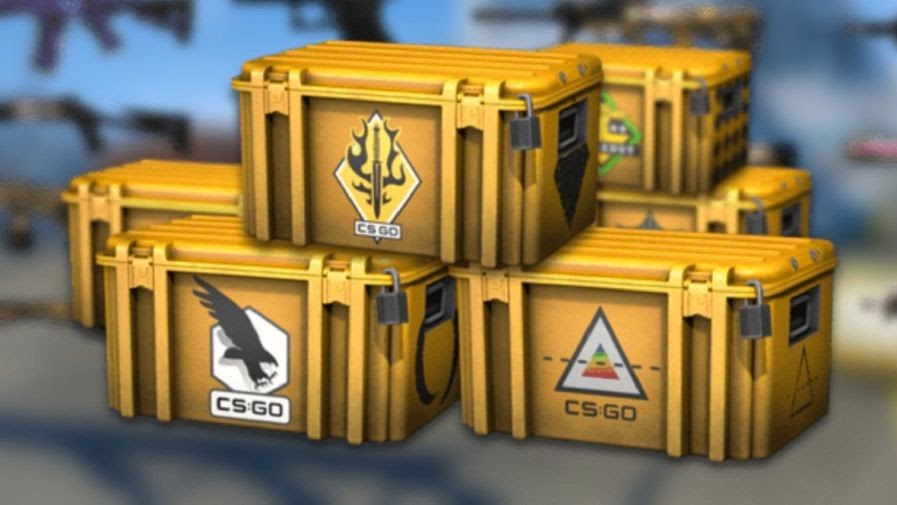
First off, I don’t like loot boxes. Specifically paid loot boxes, because if you don’t signify that something like this could effect any game with random drops.
Second, all the games in question are rated M. They are very much not targeted at kids. Obviously kids still play them, but that is on the parents.
That they also added “violent video games” nonsense that could have come out of the 90s is absurd. Is it about gambling or violent media? If it’s about violent media, why not go after any of the other shooters that are likely going to have way more kids on them. Counterstrike is old enough that I would be surprised if it isn’t a majority of millennials and gen X. At the very least I seriously doubt there are a ton of minors playing.
If it is actually about gambling targeted at kids, The Pokemon trading card game is probably the best example of “gambling aimed at kids”. Sure, digital loot boxes can be more insidious, but that isn’t how they’ve framed this and if you’ve seen how TCG players buy packs it’s very much looks like gambling.
The framing of this is very suspicious because it doesn’t make sense to go after valve exclusively for any of the things they are claiming. And the 3x fine is ridiculous. I’m all for fines actually being based on profits, but you can’t tell me they would do the same for any other company.
And part of me feels this is a strong-arm tactic because valve is not publicly traded which lets them be very pro user/consumer and is the one company that is complying with age verification in a way that still protects user privacy.


Which actually makes in simple to me. They are throwing things at the wall to see what sticks while also muddying the water as if they are trying to hide something.
They are throwing very convoluted logic around for this, and I immediately distrust anyone in government who makes wild leaps to “protecting kids”.
First off, I don’t like loot boxes. Specifically paid loot boxes, because if you don’t signify that something like this could effect any game with random drops.
Second, all the games in question are rated M. They are very much not targeted at kids. Obviously kids still play them, but that is on the parents.
That they also added “violent video games” nonsense that could have come out of the 90s is absurd. Is it about gambling or violent media? If it’s about violent media, why not go after any of the other shooters that are likely going to have way more kids on them. Counterstrike is old enough that I would be surprised if it isn’t a majority of millennials and gen X. At the very least I seriously doubt there are a ton of minors playing.
If it is actually about gambling targeted at kids, The Pokemon trading card game is probably the best example of “gambling aimed at kids”. Sure, digital loot boxes can be more insidious, but that isn’t how they’ve framed this and if you’ve seen how TCG players buy packs it’s very much looks like gambling.
The framing of this is very suspicious because it doesn’t make sense to go after valve exclusively for any of the things they are claiming. And the 3x fine is ridiculous. I’m all for fines actually being based on profits, but you can’t tell me they would do the same for any other company.
And part of me feels this is a strong-arm tactic because valve is not publicly traded which lets them be very pro user/consumer and is the one company that is complying with age verification in a way that still protects user privacy.