That’s not how you measure sample size. There were 8 Tesla crashes. The crash is the outcome, not the sample.
8 Robotaxis crashed, having collectively driven the same distance that human-driven cars average two-thirds of a crash on. That’s statistically significant and then some.
it’s correct that 8 is not the sample size, but they didn’t give the sample size, it would be how many cars there are and the number of miles, not just the number of miles, they also didn’t establish fault and this was with a human in the loop, i’m all for hating elon but this isn’t worth reporting without more info.
They gave you all the numbers you need to calculate the sample size for the Robotaxis, and it’s safe to assume the sample size for regular cars will be much higher.
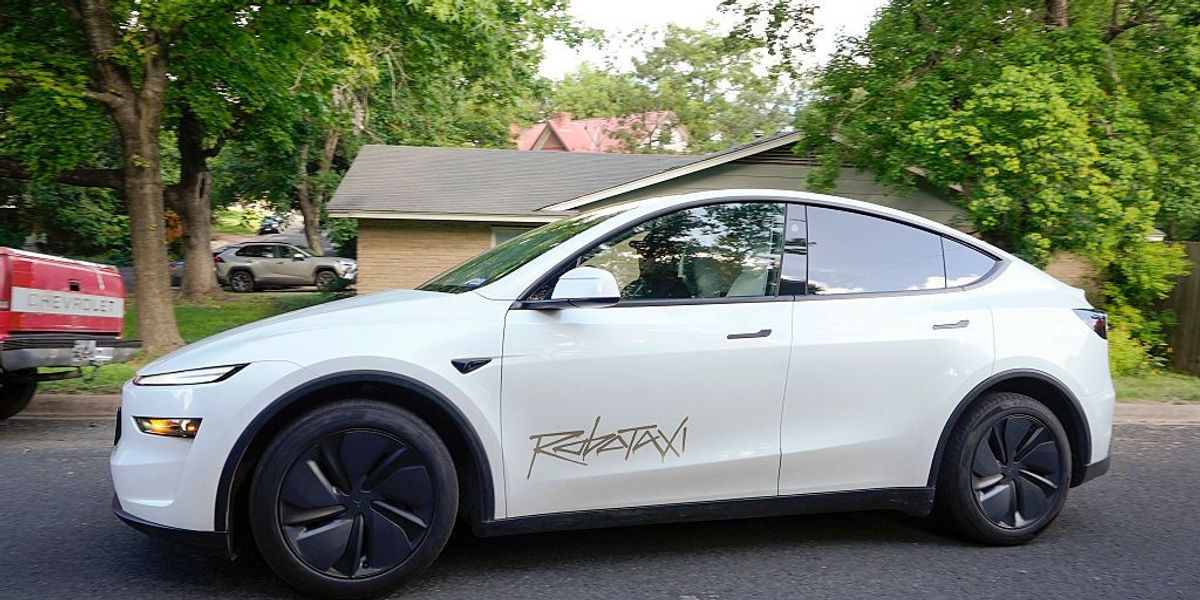
Tesla Robotaxis are involved in a crash for every 40,000 miles they drive. For comparison, the publication reported, cars driven by humans crash about once every 500,000 miles, meaning the Robotaxis so far have crashed 12.5 times more frequently than human-driven cars.
Let’s put it this way. If you knew a person, and that person just had their fourth crash in 8 years having driven 160k miles, would you think “this person is a bad driver” or would you think “they only crashed 4 times, let’s see where this goes”.
Especially if you’ve seen this driver drive in the wrong lane, go straight in a turn only lane, and other dodgy maneuvers regularly.
Basically yes. You can’t usefully put a car into one of “crashes” or “doesn’t crash” categories the way you can with e.g. what colour an M&M is, or whether Drug X did or didn’t lower blood pressure in a patient, so miles travelled is a reasonable metric.
It’s possible you might be getting hung up on notions of sample size having to be above a particular fixed number and therefore miles sounding like a cheat, but actually there never has been a universal “correct” minimum sample size; it all depends on the data. A billion of one thing might not be enough, but 4 of another might be plenty.


That’s not how you measure sample size. There were 8 Tesla crashes. The crash is the outcome, not the sample.
8 Robotaxis crashed, having collectively driven the same distance that human-driven cars average two-thirds of a crash on. That’s statistically significant and then some.
it’s correct that 8 is not the sample size, but they didn’t give the sample size, it would be how many cars there are and the number of miles, not just the number of miles, they also didn’t establish fault and this was with a human in the loop, i’m all for hating elon but this isn’t worth reporting without more info.
They gave you all the numbers you need to calculate the sample size for the Robotaxis, and it’s safe to assume the sample size for regular cars will be much higher.
I don’t see how this gives sample size, are you considering every mile a sample?
i’m not worried about the sample size for regular cars but there’s like 10 of these driving right now.
Let’s put it this way. If you knew a person, and that person just had their fourth crash in 8 years having driven 160k miles, would you think “this person is a bad driver” or would you think “they only crashed 4 times, let’s see where this goes”.
Especially if you’ve seen this driver drive in the wrong lane, go straight in a turn only lane, and other dodgy maneuvers regularly.
Basically yes. You can’t usefully put a car into one of “crashes” or “doesn’t crash” categories the way you can with e.g. what colour an M&M is, or whether Drug X did or didn’t lower blood pressure in a patient, so miles travelled is a reasonable metric.
It’s possible you might be getting hung up on notions of sample size having to be above a particular fixed number and therefore miles sounding like a cheat, but actually there never has been a universal “correct” minimum sample size; it all depends on the data. A billion of one thing might not be enough, but 4 of another might be plenty.