Cutting edge chip making is several different processes all stacked together. The nations that are roughly aligned with the western capitalist order have split up responsibilities across many, many different parts of this, among many different companies with global presence.
The fabrication itself needs to tie together several different processes controlled by different companies. TSMC in Taiwan is the current dominant fab company, but it’s not like there isn’t a wave of companies closely behind them (Intel in the US, Samsung in South Korea).
There’s the chip design itself. Nvidia, Intel, AMD, Apple, Qualcomm, Samsung, and a bunch of other ARM licensees are designing chips, sometimes with the help of ARM itself. Many of these leaders are still American companies developing the design in American offices. ARM is British. Samsung is South Korean.
Then there’s the actual equipment used in the fabs. The Dutch company ASML is the most famous, as they have a huge lead on the competition in manufacturing photolithography machines (although old Japanese competitors like Nikon and Canon want to get back in the game). But there are a lot of other companies specializing in specific equipment found in those labs. The Japanese company Tokyo Electron and the American companies Applied Materials and Lam Research, are in almost every fab in the West.
Once the silicon is fabricated, the actual packaging of that silicon into the little black packages to be soldered onto boards is a bunch of other steps with different companies specializing in different processes relevant to that.
Plus advanced logic chips aren’t the only type of chips out there. There are analog or signal processing chips, or power chips, or other useful sensor chips for embedded applications, where companies like Texas Instruments dominate on less cutting edge nodes, and memory/storage chips, where the market is dominated by 3 companies, South Korean Samsung and SK Hynix, and American company Micron.
TSMC is only one of several, standing on a tightly integrated ecosystem that it depends on. It also isn’t limited to only being located in Taiwan, as they own fabs that are starting production in the US, Japan, and Germany.
China is working at trying to replace literally every part of the chain in domestic manufacturing. Some parts are easier than others to replace, but trying to insource the whole thing is going to be expensive, inefficient, and risky. Time will tell whether those costs and risks are worth it, but there’s by no means a guarantee that they can succeed.


Cutting edge chip making is several different processes all stacked together. The nations that are roughly aligned with the western capitalist order have split up responsibilities across many, many different parts of this, among many different companies with global presence.
The fabrication itself needs to tie together several different processes controlled by different companies. TSMC in Taiwan is the current dominant fab company, but it’s not like there isn’t a wave of companies closely behind them (Intel in the US, Samsung in South Korea).
There’s the chip design itself. Nvidia, Intel, AMD, Apple, Qualcomm, Samsung, and a bunch of other ARM licensees are designing chips, sometimes with the help of ARM itself. Many of these leaders are still American companies developing the design in American offices. ARM is British. Samsung is South Korean.
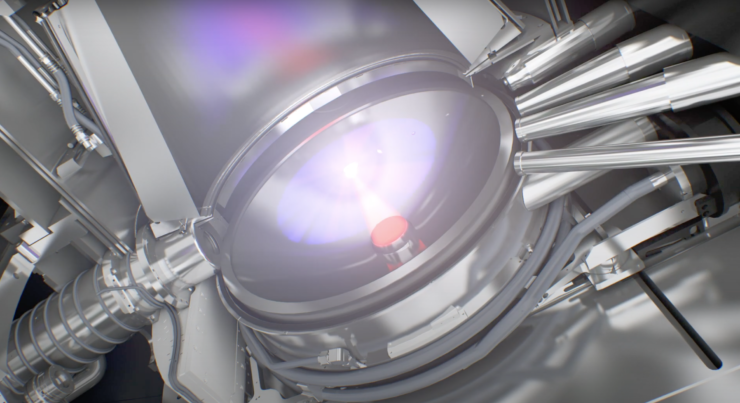
Then there’s the actual equipment used in the fabs. The Dutch company ASML is the most famous, as they have a huge lead on the competition in manufacturing photolithography machines (although old Japanese competitors like Nikon and Canon want to get back in the game). But there are a lot of other companies specializing in specific equipment found in those labs. The Japanese company Tokyo Electron and the American companies Applied Materials and Lam Research, are in almost every fab in the West.
Once the silicon is fabricated, the actual packaging of that silicon into the little black packages to be soldered onto boards is a bunch of other steps with different companies specializing in different processes relevant to that.
Plus advanced logic chips aren’t the only type of chips out there. There are analog or signal processing chips, or power chips, or other useful sensor chips for embedded applications, where companies like Texas Instruments dominate on less cutting edge nodes, and memory/storage chips, where the market is dominated by 3 companies, South Korean Samsung and SK Hynix, and American company Micron.
TSMC is only one of several, standing on a tightly integrated ecosystem that it depends on. It also isn’t limited to only being located in Taiwan, as they own fabs that are starting production in the US, Japan, and Germany.
China is working at trying to replace literally every part of the chain in domestic manufacturing. Some parts are easier than others to replace, but trying to insource the whole thing is going to be expensive, inefficient, and risky. Time will tell whether those costs and risks are worth it, but there’s by no means a guarantee that they can succeed.