OldQWERTYbastard@lemmy.world to Technology@lemmy.worldEnglish · 10 months agoArticle: I switched to eSIM in 2025, and I am full of regretarstechnica.comexternal-linkmessage-square147linkfedilinkarrow-up1414arrow-down117
arrow-up1397arrow-down1external-linkArticle: I switched to eSIM in 2025, and I am full of regretarstechnica.comOldQWERTYbastard@lemmy.world to Technology@lemmy.worldEnglish · 10 months agomessage-square147linkfedilink
minus-squaremirshafie@europe.publinkfedilinkEnglisharrow-up45·10 months agoThere’s also a thing called dual sim. Which is standard in the Asian market and used to be common in Europe.
minus-squareranzispa@mander.xyzcakelinkfedilinkEnglisharrow-up17·10 months agoStill using dual SIM in Europe. While EU policies made it so that you can use a European number throughout Europe with basically no real added costs, country specific numbers are still required for a bunch of bureaucracy
minus-squareI Cast Fist@programming.devlinkfedilinkEnglisharrow-up7·10 months agoWas also quite common in Brazil, dunno how new phones are handling it
minus-squareLiveLM@lemmy.ziplinkfedilinkEnglisharrow-up4·10 months agoMotorola and Xiaomi are still releasing Dual SIM phones over here, it works as expected.
minus-squarefruitycoder@sh.itjust.workslinkfedilinkEnglisharrow-up1·10 months agoWanted one of those so bad, but couldn’t find ones with US bands support at the time
minus-squaregandalf_der_12te@discuss.tchncs.delinkfedilinkEnglisharrow-up1·10 months agowhat if i want triple SIM?


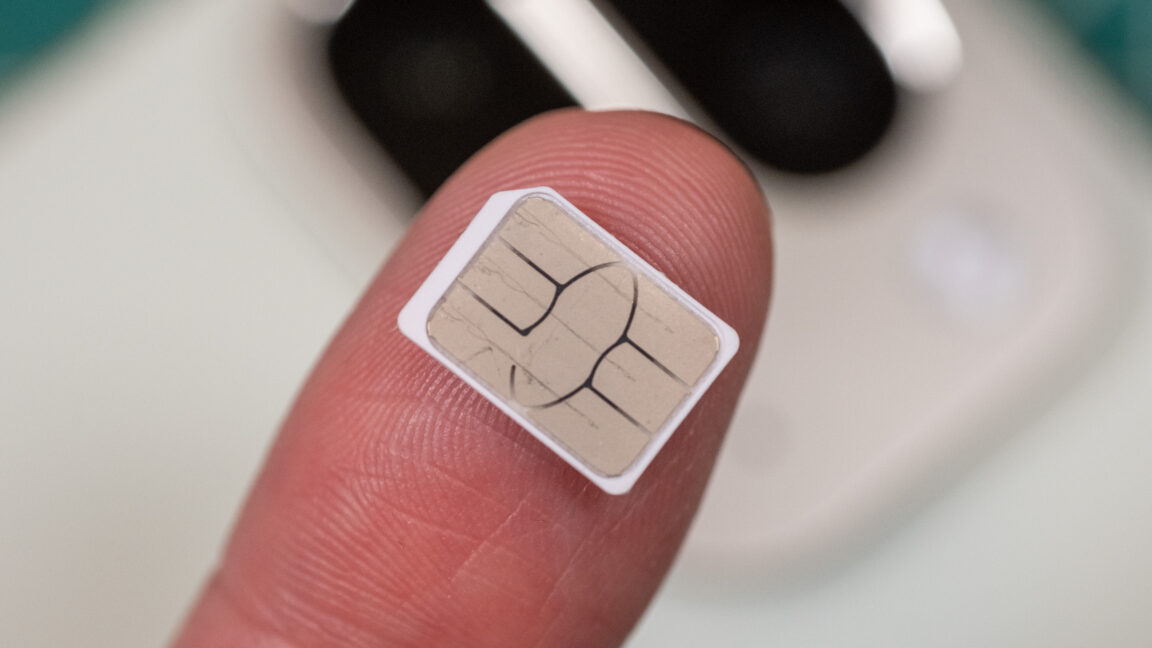
There’s also a thing called dual sim. Which is standard in the Asian market and used to be common in Europe.
Still using dual SIM in Europe. While EU policies made it so that you can use a European number throughout Europe with basically no real added costs, country specific numbers are still required for a bunch of bureaucracy
Was also quite common in Brazil, dunno how new phones are handling it
Motorola and Xiaomi are still releasing Dual SIM phones over here, it works as expected.
Wanted one of those so bad, but couldn’t find ones with US bands support at the time
what if i want triple SIM?