With Jensen Huang officially confirming at CES that all six of NVIDIA’s Rubin chips are back from manufacturing partners and set for a 2026 launch, th...
According to TrendForce, the boom is expected to continue, as conventional DRAM contract prices in 1Q26 are forecast to rise 55–60% QoQ, while NAND Flash prices are expected to increase 33–38% QoQ.
And that’s in an environment where DRAM output is significantly ramping up:
SK hynix to boost DRAM production by a huge 8x in 2026, still won’t be enough for RAM shortages
EDIT: Also:
The memory sector has surged into a full-blown seller’s market, with both South Korean giants rejecting long-term agreements (LTAs) of two to threes years and sticking to quarterly contracts, anticipating stepwise DRAM price increases each quarter through 2027, the report suggests.
Just a few years ago, they were losing a ton of money due to low DRAM prices, so I imagine that rejecting long-term contracts at current (already high) prices drives even more home that they expect demand to increase further relative to supply:
SEOUL (Reuters) -South Korea’s SK Hynix posted a quarterly operating loss on Wednesday, as the company said the memory chip market is beginning to recover from a deep downturn.
SK 8xing production is impressive. I know open ai bought ~40% of microns memory production. So increasing production by only 20% is pretty low. But like you said they had horribly low (for them) ram prices for a few years so they’re just trying to avoid that.
Sk must be banking on Micron not matching the spike.
I know open ai bought ~40% of microns memory production.
IIRC Micron was the only Big Three DRAM manufacturer that OpenAI didn’t sign a contract with. I think that they signed contracts with SK Hynix and Samsung for their supply, and didn’t with Micron.
OpenAI ropes in Samsung, SK Hynix to source memory chips for Stargate
Not signing was actually probably to Micron’s advantage; I understand that OpenAI didn’t let Samsung know that they were negotiating with SK Hynix and didn’t let SK Hynix that they were negotiating with Samsung and signed both deals concurrently. That is, each of Samsung and SK Hynix probably sold the DRAM that went to OpenAI for less than they could have gotten on the open market, since neither was aware at the time of signing that the supply on the open market outside of themselves would sharply decrease during the period of the contract, which would be expected to drive up prices.
I mean, they still made a lot more money than they had been making. Just that they could have probably managed to get even more money for the DRAM that they sold.
IIRC the 40% number was OpenAI signing for 40% of global production output, not for any particular company’s output.


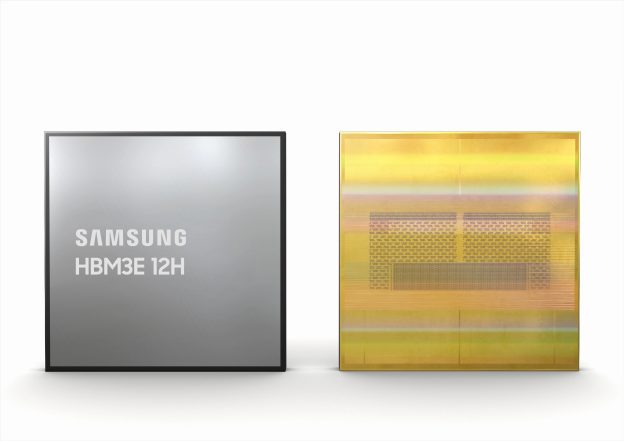
And that’s in an environment where DRAM output is significantly ramping up:
https://www.theverge.com/news/847344/micron-ram-memory-shortage-2026-earnings
https://www.tweaktown.com/news/109011/sk-hynix-to-boost-dram-production-by-a-huge-8x-in-2026-still-wont-be-enough-for-ram-shortages/index.html
EDIT: Also:
Just a few years ago, they were losing a ton of money due to low DRAM prices, so I imagine that rejecting long-term contracts at current (already high) prices drives even more home that they expect demand to increase further relative to supply:
https://www.marketscreener.com/quote/stock/SK-HYNIX-INC-6494929/news/SK-Hynix-reports-Q2-loss-as-chip-glut-continues-44417161/
SK 8xing production is impressive. I know open ai bought ~40% of microns memory production. So increasing production by only 20% is pretty low. But like you said they had horribly low (for them) ram prices for a few years so they’re just trying to avoid that.
Sk must be banking on Micron not matching the spike.
IIRC Micron was the only Big Three DRAM manufacturer that OpenAI didn’t sign a contract with. I think that they signed contracts with SK Hynix and Samsung for their supply, and didn’t with Micron.
searches
Yeah:
https://techcrunch.com/2025/10/01/openai-ropes-in-samsung-sk-hynix-to-source-memory-chips-for-stargate/
Not signing was actually probably to Micron’s advantage; I understand that OpenAI didn’t let Samsung know that they were negotiating with SK Hynix and didn’t let SK Hynix that they were negotiating with Samsung and signed both deals concurrently. That is, each of Samsung and SK Hynix probably sold the DRAM that went to OpenAI for less than they could have gotten on the open market, since neither was aware at the time of signing that the supply on the open market outside of themselves would sharply decrease during the period of the contract, which would be expected to drive up prices.
I mean, they still made a lot more money than they had been making. Just that they could have probably managed to get even more money for the DRAM that they sold.
IIRC the 40% number was OpenAI signing for 40% of global production output, not for any particular company’s output.