

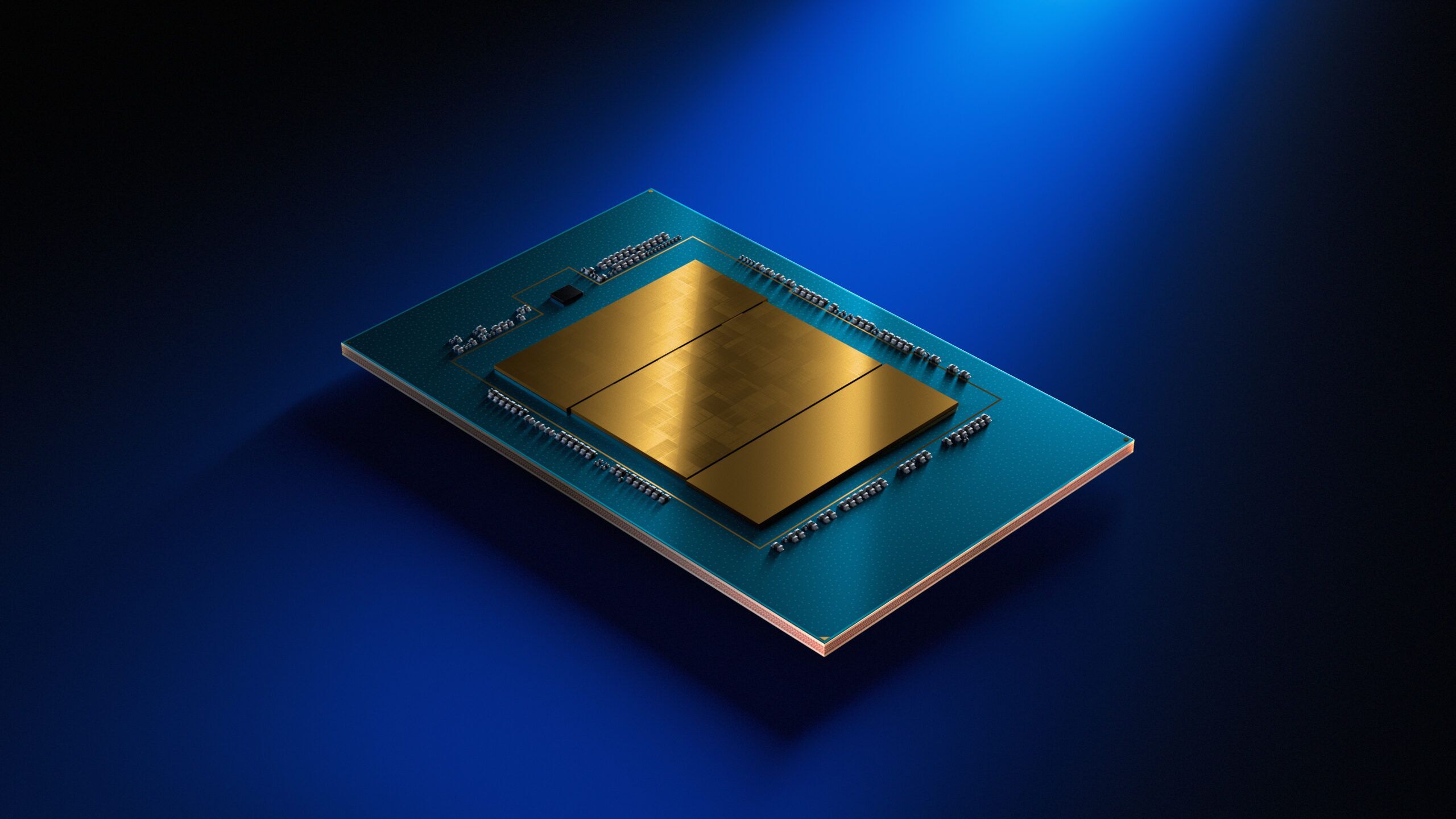
China has begun mass production of next-generation processors based on molybdenum disulfide instead of traditional silicon semiconductors[1]. According to Professor Li Hongge’s team at Beihang University, these chips merge binary and stochastic logic to achieve better fault tolerance and power efficiency for applications like touch displays and flight systems[2].
The breakthrough came through developing a Hybrid Stochastic Number (HSN) system that combines traditional binary with probability-based numbers[2:1]. This innovation helps overcome two major challenges in chip technology - the power wall from binary systems’ high energy consumption, and the architecture wall that makes new non-silicon chips difficult to integrate with conventional systems[2:2].
Yes gallim arsenid transistors wold be about 10 times faster. But also about 100 times more expensive.
(Numbers pulled out of my ass.)
The cost invariably goes down as production of any new technology ramps up though.
The problrm is that this is already calulated st scale.
Silicon isn’t the best material for semiconductors, it never was. What makes silicon special is that it is the cheapest material for semiconductors.
So unless there is some kind of scientific breakthrough with one of the other semiconductor materials, this equation will not change.
Silicon isn’t the cheapest, sand is. The manufacturing price of the silice mono crystal is high and very similar of that from mono crystal fabrication of any other substance. Artificial diamonds as raw material isn’t much more expensive, used in the industry since a long time, manufactured in mass for cutting tools, drills, abrasive material…, nothing to do with the ones for jewelery.
If you look at the price of silicon chips from their inception to now, you can see how how much it’s come down. If a new material starts being used, the exact same thing will happen. Silicon was the first substrate people figured out how to use to make transistors, and it continued to be used because it was cheaper to improve the existing process than to invent a new one from scratch. Now that we’re hitting physical limits of what you can do with the material, the logic is changing. A chip that can run an order of magnitude faster will also use less power. These are both incredibly desirable properties in the age of AI data centres and mobile devices.
Exept the fist transistor wasn’t even silicon it was germanium.
https://en.wikipedia.org/wiki/History_of_the_transistor
Silicon is used because it is inherently cheaper.
Again, silicon was the first one that people figured out how to mass produce. Just because it was cheaper, doesn’t mean that a new material put into mass production won’t get cheaper. Look at the history of literally any technology that became popular, and you’ll see this to be the case.
After considering multiple other options for mass production.
Germanium transistors are still mass produced to this day, but only for the niche products where silicon doesn’t cut it.
The semiconductor industry is still constantly looking for other materials to use. Graphene is a big contender.
You act like the industry can switch to a bunch of materials and have better products but they are just too lazy to do it.
But actually more likely is that through its physics and availability silicon is just the best material for the job. Of course unless some scientific breakthough comes along but it is not here yet.
Looking into history is distorted here because you only see what succeeded.
What I keep explaining to you here is that silicon is not inevitable, and that it’s obviously possible to make other substrates work and bring costs down. I’ve also explained to you why it makes no business sense for companies already invested in silicon to do that. The reason China has a big incentive is because they don’t currently have the ability to make top end chips. So, they can do moonshot projects at state level, and if one of them succeeds then they can leapfrog a whole generation of tech that way.
You just keep repeating that silicon is the best material for the job without substantiating that in any way. Your whole argument is tautological, amounting to saying that silicon is widely used and therefore it’s the best fit.
Without substantiating? I linked a Wikipedia article as a source, which explains quite a lot of the reasoning for choosing silicon.
The only thing that you reiterate here is economics of scale and you haven’t provided any source that substantiates that there are other materials where the economics of scale might lead to a better and/or cheaper product.