Haggling makes sense for transactions revolving around used cars, bulk goods and the like. A grocery store is a completely different setting. Everyone expects that they’re getting the same deal for a given location. Kind of feels too close to what is legally considered fraud to be feasible.
I’m not sure there is a difference between those things in the German law.
As I said, in Germany the price tag is a mere price suggestion, the final offer and transaction happens on checkout.
In my case it was an electronic article, where the price tag showed a much lower price and the cashier then demanded much more. But it turned out that they can do that.


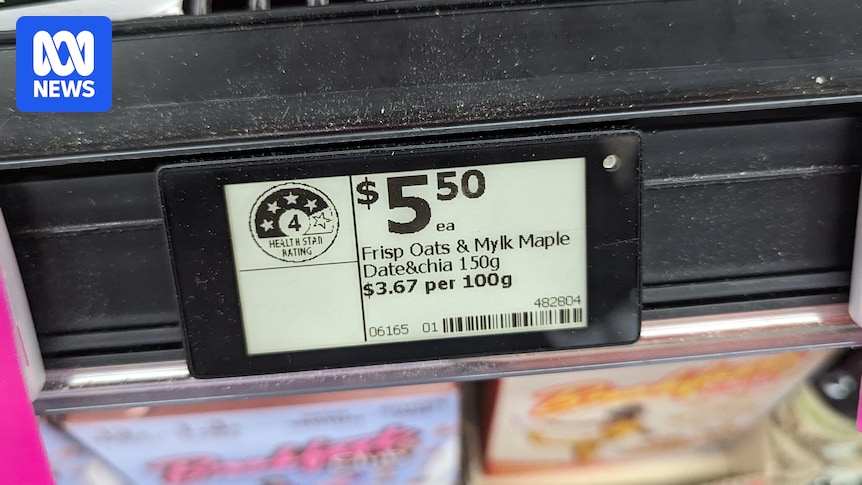
How is that not illegal in Germany? This has to fall under some anti-discrimination law
It’s illegal, but not in the way you think.
It’s illegal to write to wrong price on the sign on purpose, but if it happens by accident the shop is not obligated to sell at the price on the sign.
That’s it. OP is blowing this way out of proportion.
Haggling is legal in Germany. The cashier is making the offer.
Wherever it is discrimination or not would probably depend on the metrics used to decide the price.
If someone is really desperate for an article, then I could imagine that the cashier can raise the price.
But I am not a lawer. This is just my assumptions on how it could be implemented.
Haggling makes sense for transactions revolving around used cars, bulk goods and the like. A grocery store is a completely different setting. Everyone expects that they’re getting the same deal for a given location. Kind of feels too close to what is legally considered fraud to be feasible.
I’m not sure there is a difference between those things in the German law.
As I said, in Germany the price tag is a mere price suggestion, the final offer and transaction happens on checkout.
In my case it was an electronic article, where the price tag showed a much lower price and the cashier then demanded much more. But it turned out that they can do that.