
2·
2 months agoI hadn’t heard about it until today either. The Streisand Effect is strong today.

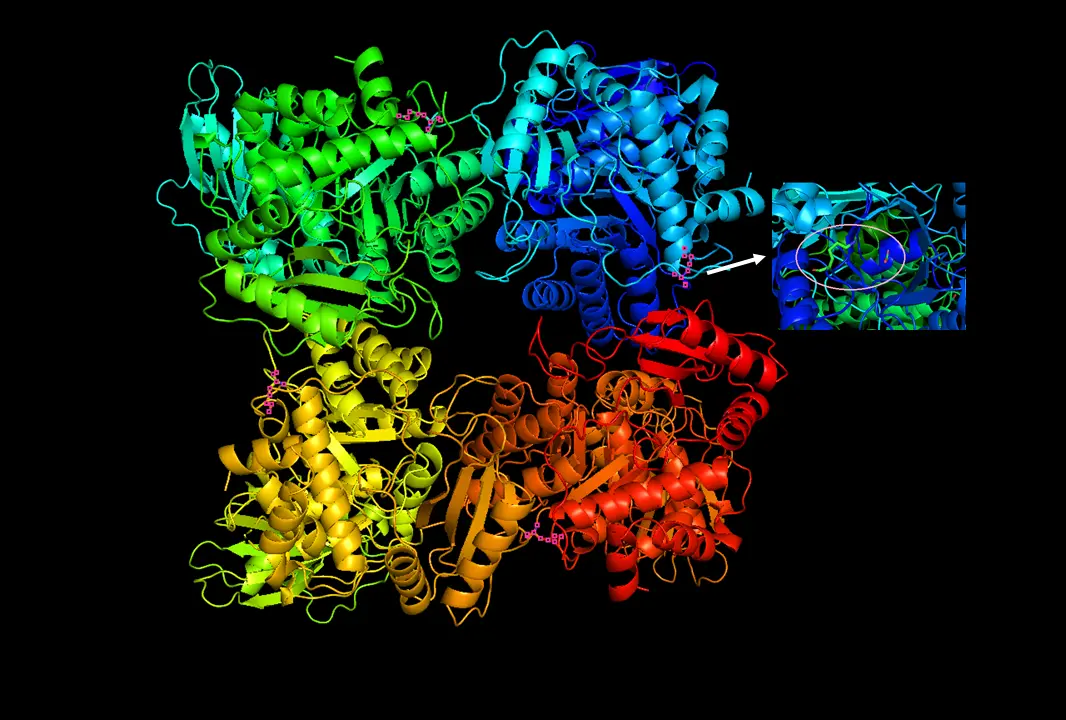
A very old enzyme. Still fixing inorganic carbon in the biosphere through yet another mass extinction. Still grabbing the wrong molecule on occasion. Anyway, here are some more phosphoglycerates.
Kill your lawn, grow a garden. As you do this, look within and do the same.
I hadn’t heard about it until today either. The Streisand Effect is strong today.
You beat me to it! Love to see it.

No. Lawnbrained is weird like carbrained. Lawns are a wasteland. Kill your lawn today!
Also, while we’re on the subject:
CPbBD
https://www.youtube.com/channel/UC3CBOpT2-NRvoc2ecFMDCsA
WildOnes (🇺🇸)
https://wildones.org/
nolawns wiki
https://wiki.slrpnk.net/nolawns:thelearningcenter
Elliot was ultimately motivated by a desire to protect himself and those he cared about. I never got that impression from Tyler; he was more interested in seeing humanity evolve and sculpting the concept of masculine.
Mr. Robot himself did not arise out of insomnia.
There is no violent therapy group for men in Mr. Robot; the themes around masculinity are absent.
fsociety doesn’t really franchise, not like Project Mayhem.
Tyler was an amateur chemist; Elliot is a master hacker.
There is very little social engineering, and IIRC zero hacking in Fight Club.
That being said, of course there are similarities. Maxence Cyrin’s cover of Where Is My Mind? is an obvious callback; Darlene is kinda like Marla, if one squints; the targeting of capitalism and debt; Project Mayhem comes into possession of some police.
But do they own the FBI or the largest conglomerate?
Where is White Rose or Phillip Price in Fight Club?
Among other things the power plays are larger in Mr. Robot: organized crime the size of nations, corrupt federal agencies, corporations too big to fail. Fight Club was published and directed before 9/11, the Arab Spring, the subprime mortgage crisis and more, and it shows.
I love both. But Mr. Robot feels like the grown-up, fleshed-out cousin that followed certain concepts through to their logical conclusions. Are they alike? Of course, no doubt. But I wouldn’t say they are so similar that if you’ve seen one, you’ve seen the other. They are distinct and unique. The more closely one analyzes them, the more one finds that the similarities are superficial.
Or so it seems to me.
I know I’m days late to this, but thanks for the heads-up, D.
Here are some other links I found on the matter, in case anyone else is late like me:
https://vocal.media/futurism/in-the-author-s-universe-interview-with-sci-fi-author-andy-weir
https://gizmodo.com/andy-weir-star-trek-pitch-backlash-paramount-2000739724
This hoopy frood really knows where the towel is.
Here’s a Veritasium deep dive (54min) on PFAS and their history. I thought I knew about PFAS, then this video taught me more:

I have a few questions.
Who ultimately owns/controls this particular AI? A single company? Is this a local agent they’re running themselves or are they renting?
Who’s supposed to replace the senior running all the AI?
Besides the senior, who can discern error from function?
Are they fabricating their own chips?
https://archive.org/details/they-live-1989-vhs
Starts at ~2:20
That was one of the more difficult chapters to read in Delay, Deny, Defend.
Some CPBBD videos on replacing lawns with native gardens:
https://www.youtube.com/watch?v=xYdLfkJcfok
https://www.youtube.com/watch?v=qoO0ZhzZT7g
https://www.youtube.com/watch?v=anpuSnAM5o8






I thought this explanation was helpful
https://lemmy.blahaj.zone/comment/21455499