
I don’t want to stick my hand in the lukewarm piss-mud. How long do I keep going?
- 2 Posts
- 365 Comments
Joined 3 years ago
Cake day: July 24th, 2023
You are not logged in. If you use a Fediverse account that is able to follow users, you can follow this user.
Sometimes I do, but then only it feels great while actively drinking. As a result I drink so much that I feel it sloshing around in my gut.
while wearing a tuxedo.

 11·28 days ago
He didn’t, but he has unit tests for them.
Only for steady-state DC reductionists.
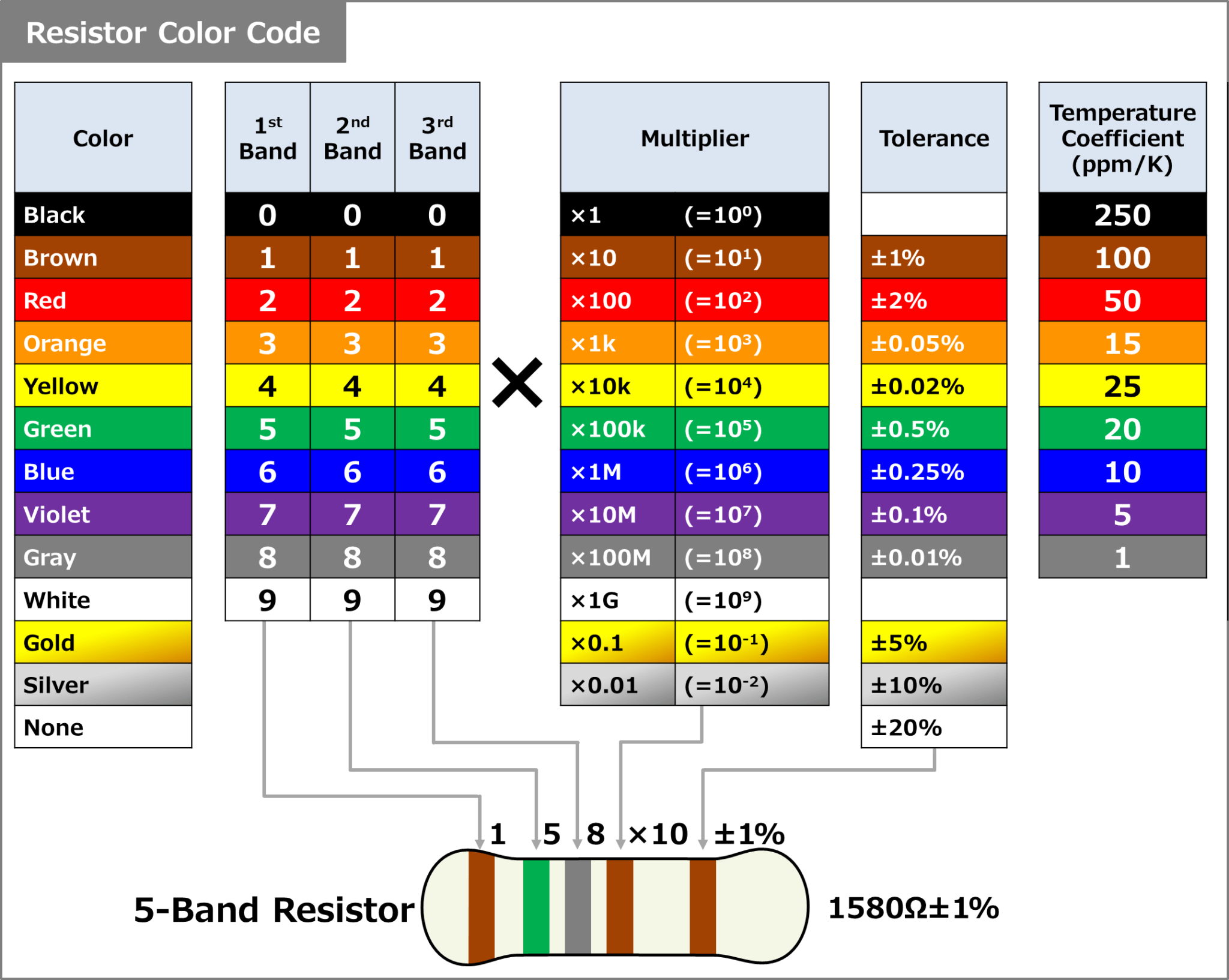
It’s how you decode the color bands on a resistor.
That’s actually how it works for workers in Germany. If you hand in a doctors note for sick time during holidays, you get those days back.
 15·1 month ago
If we learned anything from kalshi, it’s that you can pay people for crimes as long as you go though a marketplace.
So go on ebay, go on craigslist and tell them you want to buy their exact camera model in bulk.
 5·1 month ago
Considering that the Spreewald is a Wald flooded by the Spree, a German river, it is in Germany.
But you can kill hundreds for the price it costs to neuter a few.

Draft tends to apply to men only, so they probably can’t conscript them, even if they want to.
Here in Germany, men can get drafted, even during peace time, while women can only be required to work in healthcare during a war.


They actually turned the frogs trans and not gay, but that’s something the alternative media doesn’t want you to know.
That’s the zeroth date.
You can find a community for almost anything queer under https://lemmy.blahaj.zone/communities, but you have to leave the self derogatory slurs at the door.
… then it is no longer wednesday.
This isn’t about climate change as a whole, but the current heat in particular.
Also you missed the post about someone eating a popsicle at 7:30.
10^52 electrons
The AI databases are called vector databases, because they index thing by vectors that they get out of a slop generator, that got cut in half.
They have a very rough tongue. Having them lick the inside of your hand is fine, but the moment they lick the outside of the hand or your arm once, it causes a small rash.
It is in Germany. Here overtaking may not take longer than 45s, so a truck can’t do it unless the other one is driving 10 km/h below the speed limit.
If they get caught they are 1/8 of their way to a suspended license (requiring a 6 month wait and a psychological review and the normal exam to reacquire) .