It’s not really about working harder. Before, it just wasn’t a justifiable expense investing time into ensuring proton support or even linux support because a sub 1% OS just isn’t “worth” supporting from a financial standpoint. That changed with the steamdeck and because the steamdeck is actually just a small PC with built-in controller, things that profit the deck also profit the linux ecosystem.
Honestly the steam deck was a genius move from valve.
Devs targeting Steam Deck Verified sets a bar for performance that ends up including other PCs with integrated graphics or those with older graphics cards (up to ~10 years)
By extended the usable life of older gaming hardware, It’s even a win from an environmental point of view.
I’m willing to bet that without the Deck, most AAA games would have already jumped to requiring roughly PS5-level PC hardware now that last gen consoles are effectively dead.
UE5 on the Deck might not be pretty, but making it run at all on it lowers the minimum requirements of a game tremendously.
That is very contrary to what’s the point of the article. Supporting the Steam deck also means supporting the controller and the small screen format. Things that can benefit users of Windows based handhelds too.
Wush!
Way to completely miss the message. Which include how user interfaces need to be usable on the small screen, and to make optimizations for lower end hardware and not just focus on mid range and high end.
The exception being that if you make a very high end complex game, it may be better to not support Steam Deck at all, because if it doesn’t play well, it shouldn’t pretend to work.
It’s a moronic oversimplification, and making a different approach is not the same as harder.
And just saying working harder says nothing about the ways that are described in the article, and provides zero additional info.
Sad that such low energy effort without reading the article first is even upvoted. Lowest denominator rules here. 🤮
Of course it is, but it’s just the focus on how the UI is made that has changed, that does not inherently make it harder. It just changes some of the design goals.
I have fucking made UI’s from scratch in assembly on a pixel basis, that were better than a lot of the crap we see today.
Just about nobody out there is focusing on making a steam deck optimized game right out the gate. They build a full game, then they go through and try to optimize/update ui for smaller screens. That’s additional work, on top of an already hard task of making a good game.
Sounds pretty stupid if you don’t know which platforms you want to target from the beginning.
If development really is that random and poorly planned, they are making extra work for themselves due to poor planning more than because they chose to support the Steam deck.


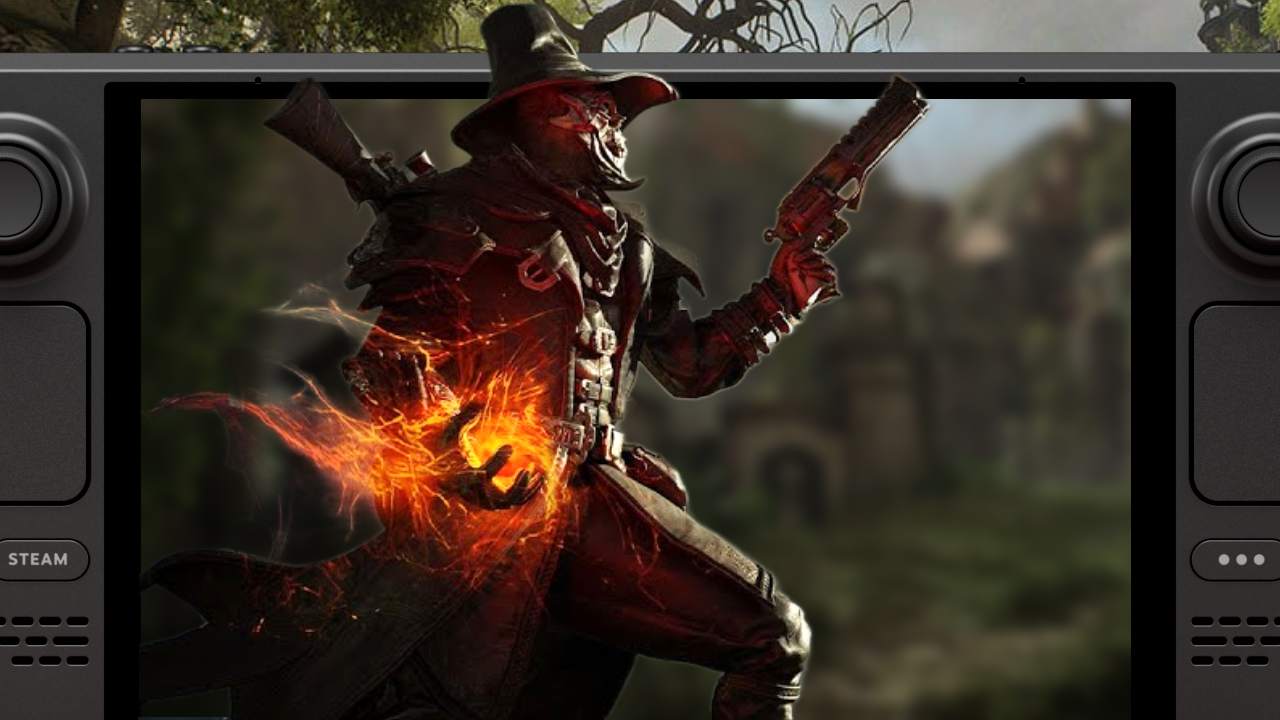
Working harder on your game makes it better! Wow!
But seriously, it’s great that Valve is leading the way pushing demand for this.
It’s not really about working harder. Before, it just wasn’t a justifiable expense investing time into ensuring proton support or even linux support because a sub 1% OS just isn’t “worth” supporting from a financial standpoint. That changed with the steamdeck and because the steamdeck is actually just a small PC with built-in controller, things that profit the deck also profit the linux ecosystem.
Honestly the steam deck was a genius move from valve.
Devs targeting Steam Deck Verified sets a bar for performance that ends up including other PCs with integrated graphics or those with older graphics cards (up to ~10 years)
By extended the usable life of older gaming hardware, It’s even a win from an environmental point of view.
I’m willing to bet that without the Deck, most AAA games would have already jumped to requiring roughly PS5-level PC hardware now that last gen consoles are effectively dead.
UE5 on the Deck might not be pretty, but making it run at all on it lowers the minimum requirements of a game tremendously.
Read the article - this isn’t just about Linux support.
Steam Deck verified is like 90% done towards linux support
Please try reading the article.
No
That is very contrary to what’s the point of the article. Supporting the Steam deck also means supporting the controller and the small screen format. Things that can benefit users of Windows based handhelds too.
And people who use controllers in general. And people with small screens. And people with poor vision. And …
exactly
Wush!
Way to completely miss the message. Which include how user interfaces need to be usable on the small screen, and to make optimizations for lower end hardware and not just focus on mid range and high end.
The exception being that if you make a very high end complex game, it may be better to not support Steam Deck at all, because if it doesn’t play well, it shouldn’t pretend to work.
That … that’s the hard work.
No it’s not the hard work, it is about working differently.
deleted by creator
It’s a moronic oversimplification, and making a different approach is not the same as harder.
And just saying working harder says nothing about the ways that are described in the article, and provides zero additional info.
Sad that such low energy effort without reading the article first is even upvoted. Lowest denominator rules here. 🤮
Please believe it when a seasoned professional informs you that ingesting user feedback, implementing good UIs, and optimization are all hard work.
Of course it is, but it’s just the focus on how the UI is made that has changed, that does not inherently make it harder. It just changes some of the design goals.
I have fucking made UI’s from scratch in assembly on a pixel basis, that were better than a lot of the crap we see today.
Just about nobody out there is focusing on making a steam deck optimized game right out the gate. They build a full game, then they go through and try to optimize/update ui for smaller screens. That’s additional work, on top of an already hard task of making a good game.
Sounds pretty stupid if you don’t know which platforms you want to target from the beginning.
If development really is that random and poorly planned, they are making extra work for themselves due to poor planning more than because they chose to support the Steam deck.