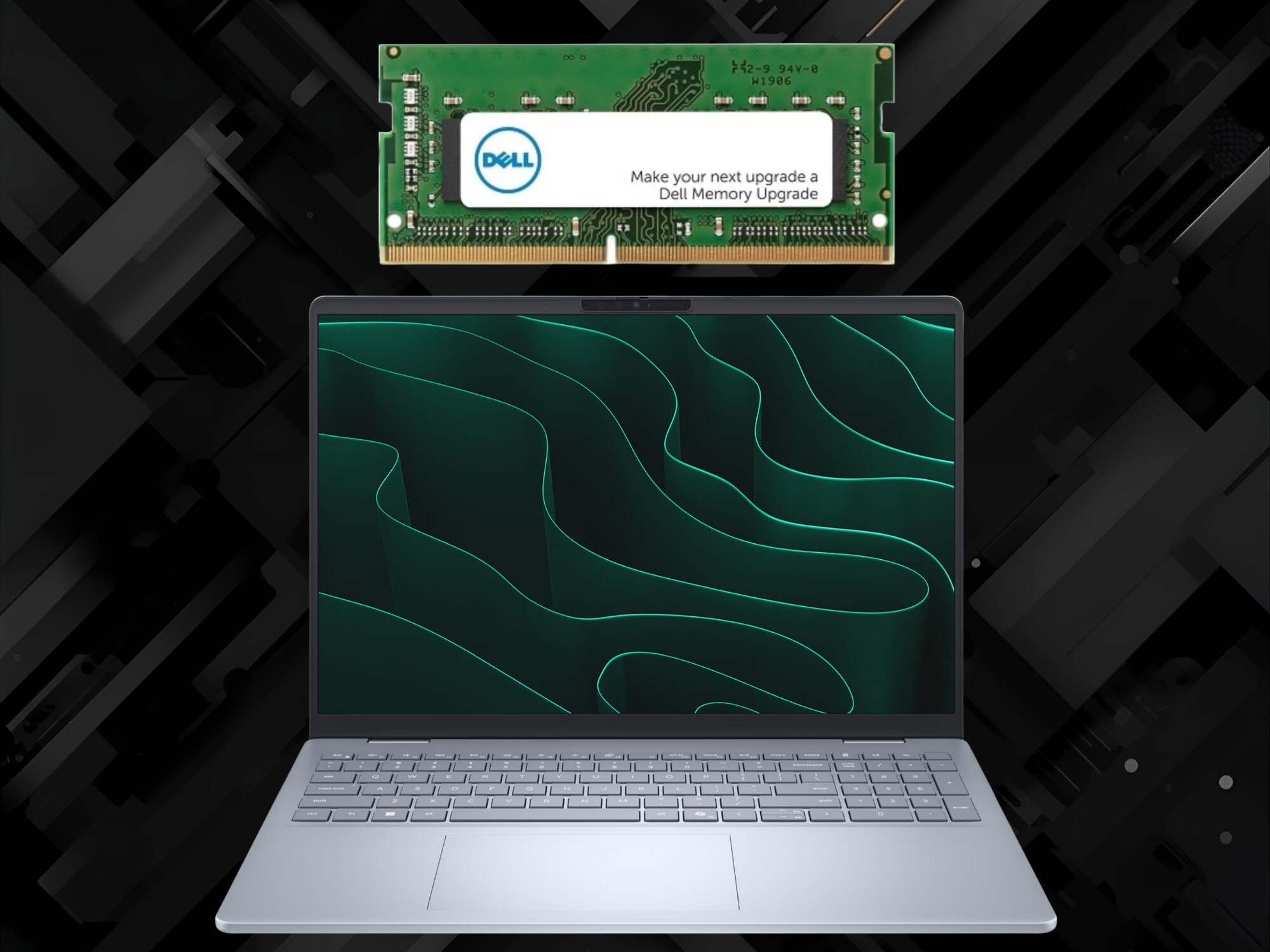
With DDR5 RAM prices skyrocketing, some mid-range laptops could soon ship with budget-level specs. TrendForce expects companies like Dell and Lenovo to stock more notebooks with 8GB of memory. These reasonably priced options may no longer handle intense office and gaming tasks.


What’s ZRAM?
https://en.wikipedia.org/wiki/Zram
One of the mechanisms for compressing memory in Linux. Trades CPU time for effectively having more RAM Recent versions of Fedora apparently have it on by default.
I’ve read that zswap, another mechanism, is preferable on newer systems with NVMe/SSD, where paging isn’t as painful; that only compresses pages going to swap, but requires that you actually have some swap. I haven’t used either.
Probably someone should try benchmarking them for various workloads if systems are going to be running on much less memory for a while. Was more of an edge case thing that not many people cared about, but if operating with less memory is suddenly more important, might have broader interest.
On Linux, also possible to opt for lighter-on-memory versions of a lot of software that you’re kinda committing to using the Microsoft-provided version of on Windows. File browser, compositor, etc.
Most everything on the desktop is going to be light on ram except the web browser and electron apps (i.e. web browsers). Games use a lot too, but thats less of an issue because you don’t tend to multitask as much with games. Using onetab or some other way of limiting browser tabs severely helpa a lot.