

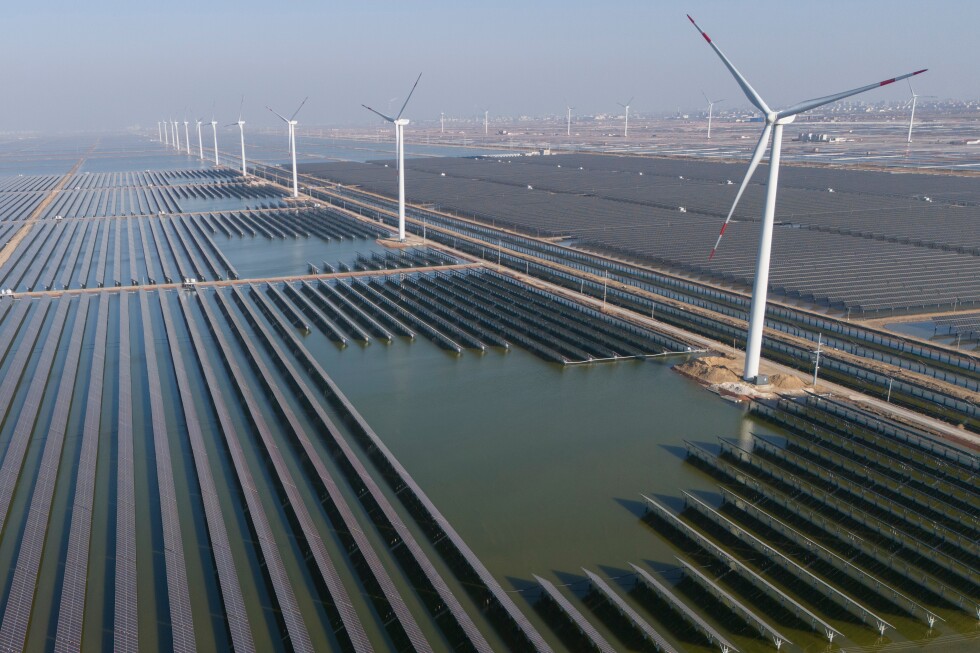
HANOI, Vietnam (AP) — The war in Iran is exposing the world’s reliance on fragile fossil fuel routes, lending urgency to calls for hastening the shift to renewable energy.
Fighting has all but halted oil exports through the Strait of Hormuz, the narrow waterway that carries about a fifth of the world’s oil and liquefied natural gas, or LNG. The disruption has jolted energy markets, pushing up prices and straining import-dependent economies.
Asia, where most of the oil was headed, has been hit hardest, but the disruptions also are a strain for Europe, where policymakers are looking for ways to cut energy demand, and for Africa, which is bracing for rising fuel costs and inflation.
Unlike during previous oil shocks, renewable power is now competitive with fossil fuels in many places. More than 90% of new renewable power projects worldwide in 2024 were cheaper than fossil-fuel alternatives, according to the International Renewable Energy Agency.
I don’t think you looked into how bad it was in 1979. People couldn’t get gas for love or money. Many states set up rationing laws such that you could only get X gallons, and only every other day. At gas stations, cars lined up on the street for hours to get any. For the first time ever, the industry designed cars for their fuel efficiency.