Insurance will only pay out actual value (i.e. what it cost to produce those items). They’ll still miss out on all the potential profit from selling those goods.
Well insurance only pays out on the value the retailer bought their inventory for, not the sticker price. Yeah they’re getting a lot of money but rebuilding inventory and a new warehouse is probably more money. And Insurance companies might start considering underpaid employees as an insurance liability.
They turned the fire suppression system off once the firefighters arrived, reportedly. I hope the insurance company denies their claim. Seems like an act of God to me.
And require more workers who, after a certain amount of time underpaid, might very well be too indifferent to notice certain systems were down when another one of these suckholes goes up in flames. Dunno. Could be.
Assuming it wasn’t a company owned warehouse, the landlord will probably be making an argument that their disgruntled employee makes the fire their fault.
They probably didn’t make money. Insurance won’t cover the retail value of unsold product, just the cost to make it. The building owner can get replacement cost for the building, but still loses out on rent.
The insurance company will raise rates to compensate for the payment, but it’s probably enough to hurt them for a quarter too.
Maybe, or maybe sales have been shitty and instead of product sitting on the shelves this let’s them write stuff off and pocket cost of materials.
Just saying there’s more to it than what it would mean to you or i if we had all our eggs in one basket and had to count on an insurance payout to keep above water. It’s likely not a windfall for them, but i wouldn’t be surprised if one warehouse fire is much more than a line item in a meeting or two, or even good news for some department or other if they were overextended in stock or something. A second or third big loss like that, though, would probably be required before anyone important is motivated towards any kind of inspection based on the bottom line though.
I dunno. I think that insurance will usually only cover Replacement Value, so if it cost them $20 per item and they sold it for $25, they could only claim $20. Then compounded with failure to meet contracts and updated cost of production (may cost $21 to make now) I doubt that they made money.
You’re right that the cost of insurance is where the real hurt will be - see ship insurance in the Strait
We’ll there are lots of kinds of insurance, a manufacturing and distribution company isn’t going to have the same insurance you buy as a homeowner. I would expect they are covered for whatever they calculated into their cost/risk contract?
That said, i maybe know enough to know most of what i don’t know, but far from inside into on the topic.
Certainly could be, and doubtful that they are fully insured against all contingencies… Possible they are underinsured against for intentionally, since they could conceivable think it’s low enough risk that it’s cheaper to allow a loss even as big as this to fall under operating losses for rare or occasional incidents like this.
Once a company is big enough even subjectively huge losses are simply a calculated risk. Do you pay a million dollars a year for 10 years to subsidize something that might cost 10 million dollars that only happens every 20 years, or do you bank on it not happening and write it off as a bad quarter if it happens?
Way more goes into those calculations than one might think, and if they’re self insured there’s just a budget item that takes a hit for this and someone gets chewed out it fired for being the one that gambled this way… While someone else loses a promotion if they signed off the other direction and paid for a million dollar policy they didn’t need.
Insurance is all mostly the same regardless of type. You aren’t going to find a company willing to take the counter party risk of you losing a claimed retail value of a product, especially a commodity. If it was collectables or bespoke crafts then it would likely be different.
Sounds like you’re more familiar with the industry than i am, but my understanding is that insurance policies are written based on what you want to cover and the value is reflected in the premiums. Companies often have an assumed product, returns and stale inventory loss calculated in. Possibly just recuping costs for ‘all’ inventory could be a plus for the bottom line, especially if there were anything like a rider for opportunity costs. The building itself could have been out of step on depreciation and now moved up with a more modern facility in planning.
May not be the same situation but plenty of business owners have considered it a windfall having insurance pay out on replacement costs for things they you weren’t utilizing and an opportunity to put up a bigger shop and roll the payouts into more modern supplies and equipment rather than gathering dust on sunk cost stuff they never would have gotten their money out of otherwise.
If you consider insurance payouts a windfall there’s probably fraud involved. Insurance generally doesn’t pay more than a thing is worth because of fraud. It’s a little more loose with things that can’t easily be valued, like art or a life.
Oh, for sure that’s part of the problem, they definitely have their own issues, but they are more like a layer. Insurance itself isn’t a bad thing, but like basically ever industry they suffer from greed and loopholes too.


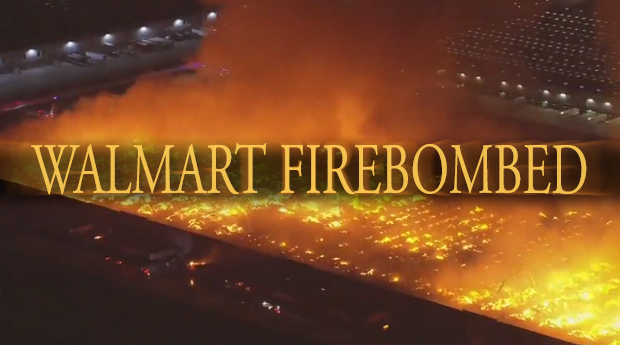
Except with insurance they probably made money. The trick is for it to happen often enough that insurance gets too expensive.
Insurance will only pay out actual value (i.e. what it cost to produce those items). They’ll still miss out on all the potential profit from selling those goods.
Well insurance only pays out on the value the retailer bought their inventory for, not the sticker price. Yeah they’re getting a lot of money but rebuilding inventory and a new warehouse is probably more money. And Insurance companies might start considering underpaid employees as an insurance liability.
That’d truly be righteous but I suspect they’ll start expecting more surveillance, security, and fire systems instead.
They turned the fire suppression system off once the firefighters arrived, reportedly. I hope the insurance company denies their claim. Seems like an act of God to me.
automate
Which, although they don’t improve conditions for the workers, are also expensive
And require more workers who, after a certain amount of time underpaid, might very well be too indifferent to notice certain systems were down when another one of these suckholes goes up in flames. Dunno. Could be.
Assuming it wasn’t a company owned warehouse, the landlord will probably be making an argument that their disgruntled employee makes the fire their fault.
I’ll bet you that Walmart is selfinsured, and this absolutely hits them directly.
Insurance companies too exist to make money. If their customers generally went plus, the insurance company would go out of business.
They announced they’re moving their entire operation out of CA, lmao.
Wow, its like… direct action works, when complaining loudly and formally doesn’t!
Whaaaat, that’s crazy lmao
Funny, if they weren’t already planning that, seems like an awfully knee jerk reaction based on a single incident.
They probably didn’t make money. Insurance won’t cover the retail value of unsold product, just the cost to make it. The building owner can get replacement cost for the building, but still loses out on rent.
The insurance company will raise rates to compensate for the payment, but it’s probably enough to hurt them for a quarter too.
If it were profitable to burn down a warehouse, there’d be a whole industry around it
If you’re in the warehouse building industry, them burning down can be very profitable…
Maybe, or maybe sales have been shitty and instead of product sitting on the shelves this let’s them write stuff off and pocket cost of materials.
Just saying there’s more to it than what it would mean to you or i if we had all our eggs in one basket and had to count on an insurance payout to keep above water. It’s likely not a windfall for them, but i wouldn’t be surprised if one warehouse fire is much more than a line item in a meeting or two, or even good news for some department or other if they were overextended in stock or something. A second or third big loss like that, though, would probably be required before anyone important is motivated towards any kind of inspection based on the bottom line though.
Is that a lack of fire suppression equipment? Insurance won’t like that at all. 😃
I dunno. I think that insurance will usually only cover Replacement Value, so if it cost them $20 per item and they sold it for $25, they could only claim $20. Then compounded with failure to meet contracts and updated cost of production (may cost $21 to make now) I doubt that they made money. You’re right that the cost of insurance is where the real hurt will be - see ship insurance in the Strait
We’ll there are lots of kinds of insurance, a manufacturing and distribution company isn’t going to have the same insurance you buy as a homeowner. I would expect they are covered for whatever they calculated into their cost/risk contract?
That said, i maybe know enough to know most of what i don’t know, but far from inside into on the topic.
They are probably “self insured”
Certainly could be, and doubtful that they are fully insured against all contingencies… Possible they are underinsured against for intentionally, since they could conceivable think it’s low enough risk that it’s cheaper to allow a loss even as big as this to fall under operating losses for rare or occasional incidents like this.
Once a company is big enough even subjectively huge losses are simply a calculated risk. Do you pay a million dollars a year for 10 years to subsidize something that might cost 10 million dollars that only happens every 20 years, or do you bank on it not happening and write it off as a bad quarter if it happens?
Way more goes into those calculations than one might think, and if they’re self insured there’s just a budget item that takes a hit for this and someone gets chewed out it fired for being the one that gambled this way… While someone else loses a promotion if they signed off the other direction and paid for a million dollar policy they didn’t need.
Insurance is all mostly the same regardless of type. You aren’t going to find a company willing to take the counter party risk of you losing a claimed retail value of a product, especially a commodity. If it was collectables or bespoke crafts then it would likely be different.
Sounds like you’re more familiar with the industry than i am, but my understanding is that insurance policies are written based on what you want to cover and the value is reflected in the premiums. Companies often have an assumed product, returns and stale inventory loss calculated in. Possibly just recuping costs for ‘all’ inventory could be a plus for the bottom line, especially if there were anything like a rider for opportunity costs. The building itself could have been out of step on depreciation and now moved up with a more modern facility in planning.
May not be the same situation but plenty of business owners have considered it a windfall having insurance pay out on replacement costs for things they you weren’t utilizing and an opportunity to put up a bigger shop and roll the payouts into more modern supplies and equipment rather than gathering dust on sunk cost stuff they never would have gotten their money out of otherwise.
If you consider insurance payouts a windfall there’s probably fraud involved. Insurance generally doesn’t pay more than a thing is worth because of fraud. It’s a little more loose with things that can’t easily be valued, like art or a life.
If I understand you correctly, you’re saying that the insurance industry is the underlying problem?
Oh, for sure that’s part of the problem, they definitely have their own issues, but they are more like a layer. Insurance itself isn’t a bad thing, but like basically ever industry they suffer from greed and loopholes too.